Flight School: Signal Transmission

Ground Control to Major Tom…Uh, How Does It All Work?

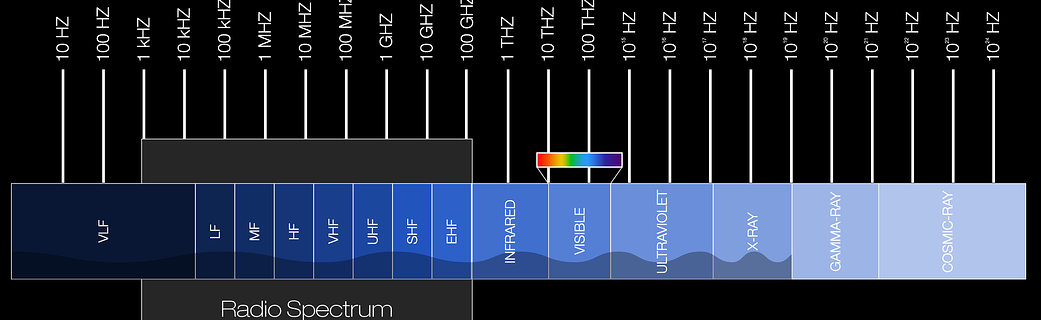
Now that we know where it started, lets take a look at how radio control flight happens. The technology revolves around the use of radio waves. Radio waves are a form of electromagnetic radiation with a frequency that lies between 10kHz to 100GHz1. Radio waves are used for long distance communication2.

Wavelength Size Comparison
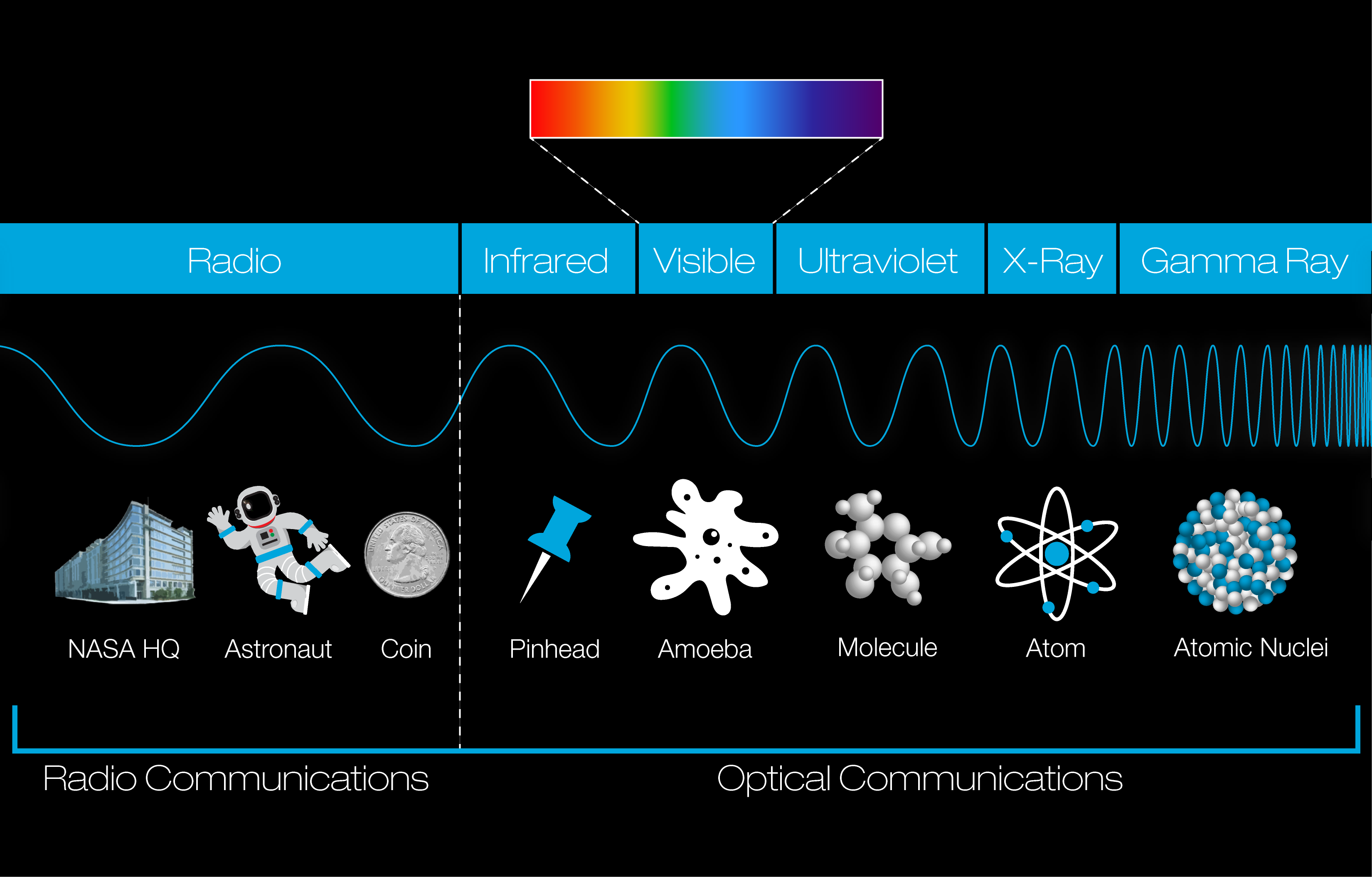
Photo from Nasa.gov “Comparison of Wavelengths”4


Electromagnetic Spectrum

Photo from Nasa.gov “What are radio waves?”5

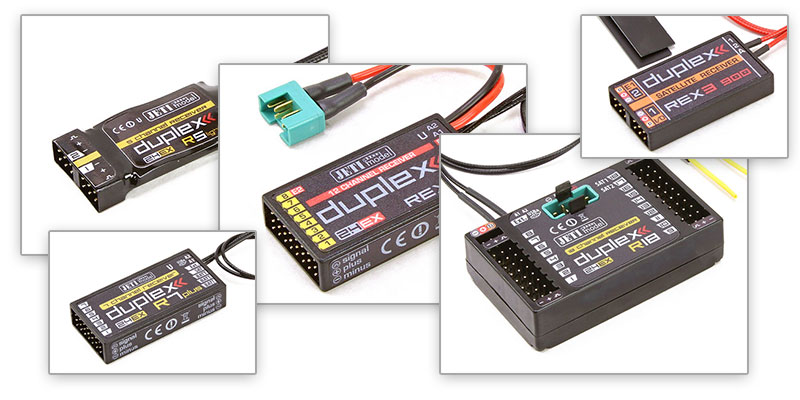
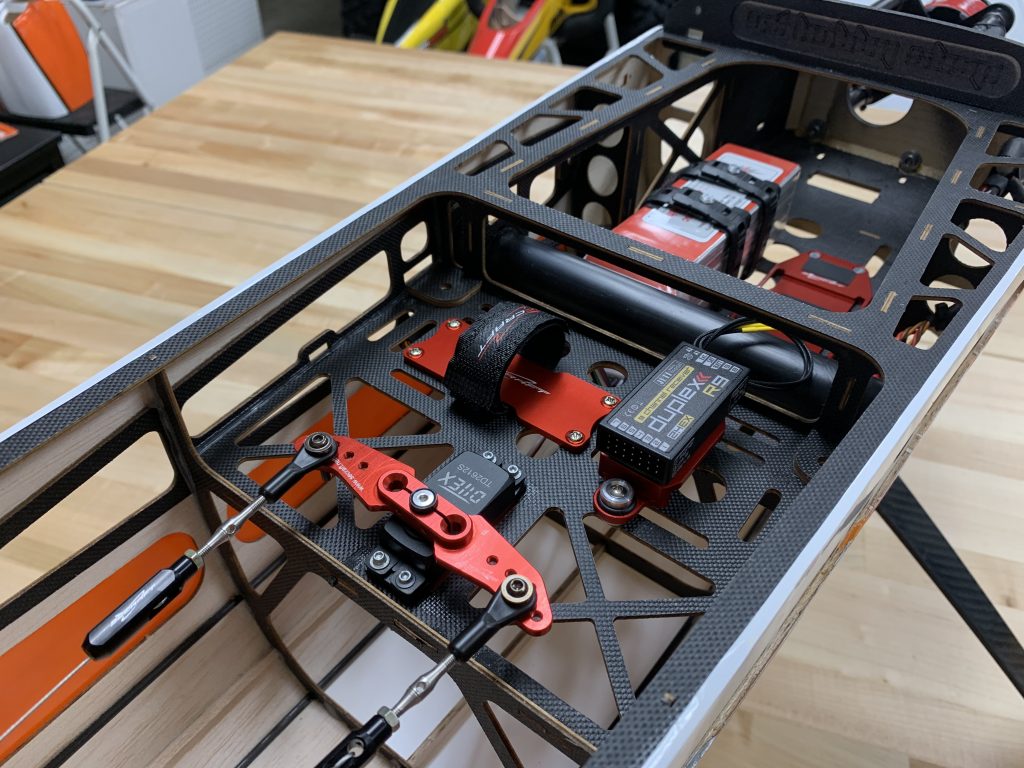
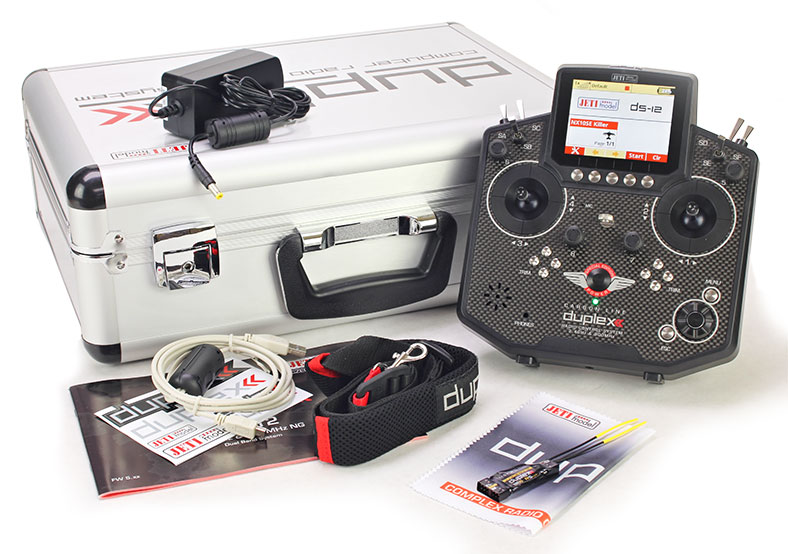
In the hobby, we use a transmitter to send radio signals with information (instructions) to a receiver, located somewhere in your model. The receiver, which is being powered by a battery, then takes that information and passes it along to what you have plugged into it, telling those devices what to do based on the original input at the transmitter. A very basic set-up, would consist of four servos plugged into the receiver, the receiver battery, and your transmitter.
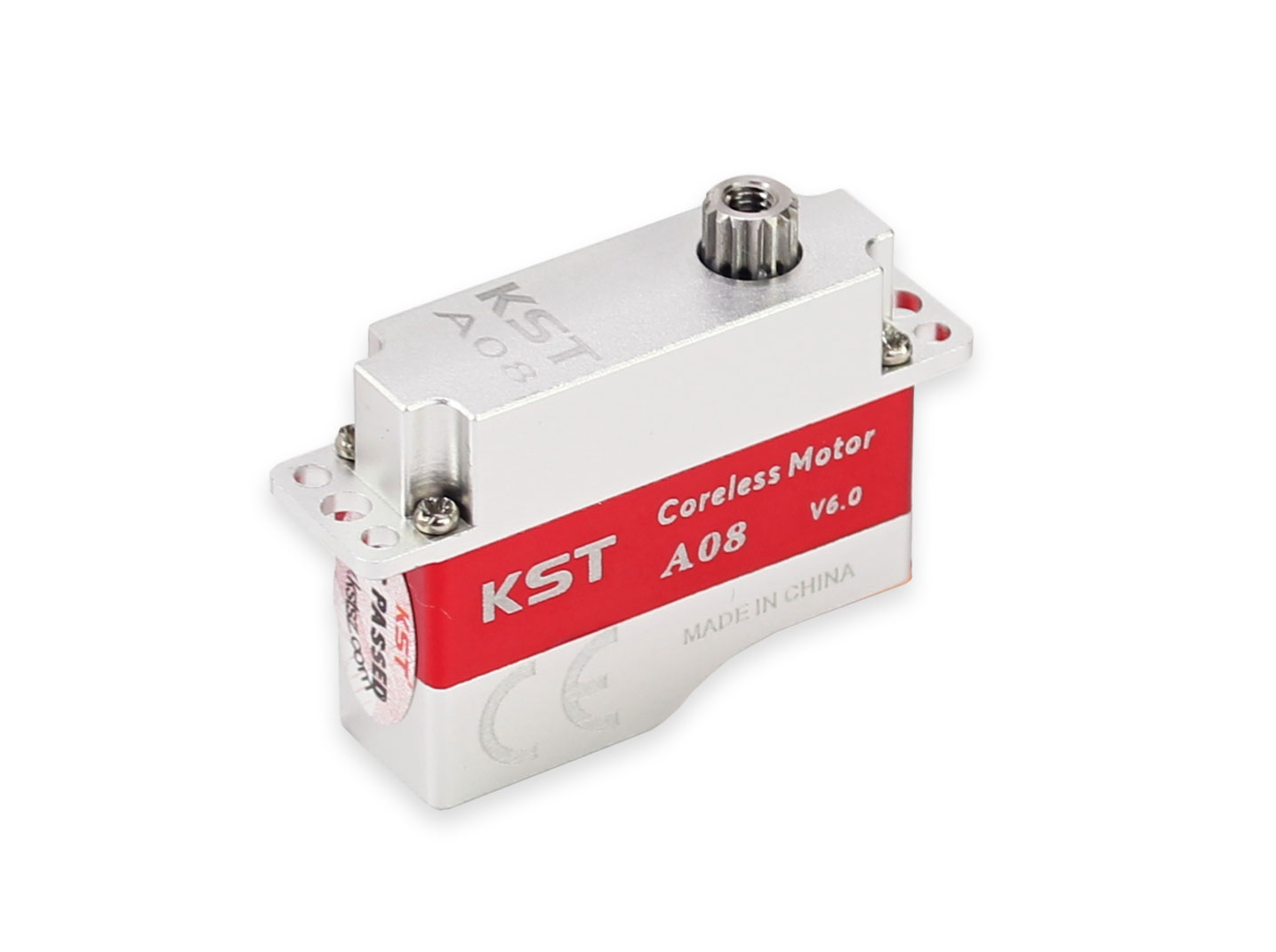
A servo, otherwise known as a servo motor, is a “self-contained electrical device”3 with an electric motor connected to a gear set. You would then connect an arm to one of the gears and then to a control rod to mechanically control your flight surfaces (Rudder, Elevator, Ailerons, Flaps).

Photo from Sparkfun.com “Servos Explained”6

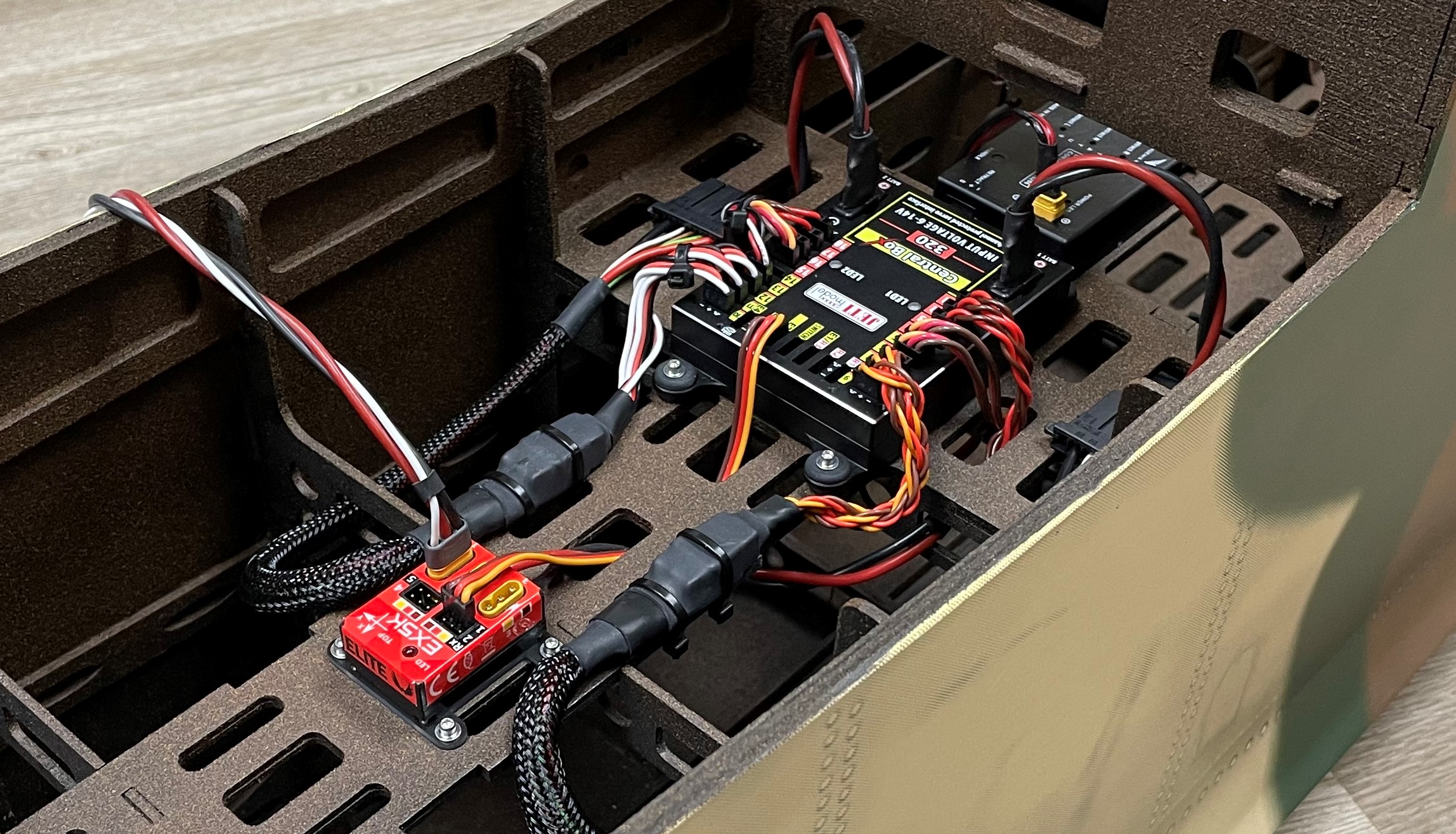
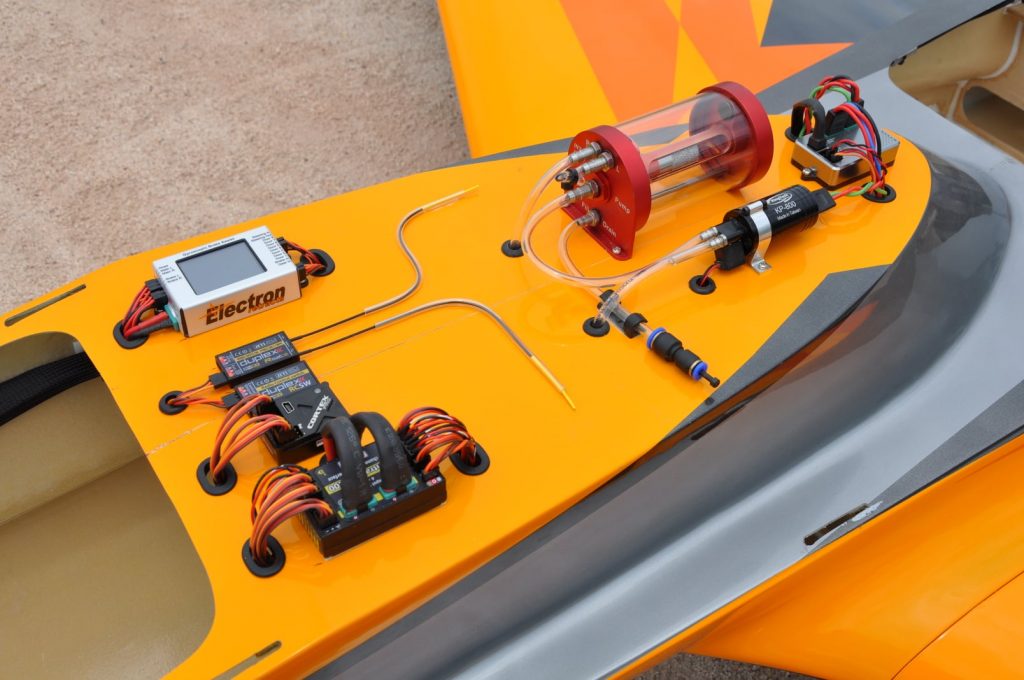
As technology advanced, the devices that you can place into your aircraft have also changed. Now-a-days, setups can range from basic (sport airplane) to a more advanced set-up (turbine aircraft) with multiple devices installed for both functionality and showman ship – and everything in between.
Browse our electronic flight components here!

Sources:

  1. Author Unknown. “Communications System” Northwestern.edu. URL https://www.qrg.northwestern.edu/projects/vss/docs/communications/2-more-about-radio-waves.html#:~:text=Radio%20waves%20are%20in%20the,hundred%20million%20vibrations%20per%20second). (February, 2023)
  2. Oxford English Dictionary. “Radio wave, n. 1.” OED Online. Oxford University Press. (February, 2023)
  3. Heason Technical Blog. “What is a Servo Motor Used For?” November, 2020. URL https://www.heason.com/news-media/technical-blog-archive/what-is-a-servo-motor-used-for- (February, 2023)
  4. NASA. “Comparison of Wavelengths” September 2018. URL https://www.nasa.gov/directorates/heo/scan/communications/outreach/funfacts/txt_radiowaves.html (February, 2023)
  5. NASA. “Comparison of Wavelengths” August 2018. URL https://www.nasa.gov/directorates/heo/scan/communications/outreach/funfacts/what_are_radio_waves (February, 2023)
  6. Spark Fun. “Servos Exlained” URLhttps://www.sparkfun.com/servos (February, 2023)
Flight School: Origins of RC Flight

Back to Where it Started!

Tesla

Technology is constantly changing, and the RC Industry is no exception to that.  With products that need programing, sensors for every possible thing imaginable, “an app for that”, multiple frequencies, constantly improving product specs, and transmitters that might-as-well be mini computers, it is understandable that a new RC pilot may become overwhelmed with information.  No worries though, follow our flight school segments to learn the basics of RC. 

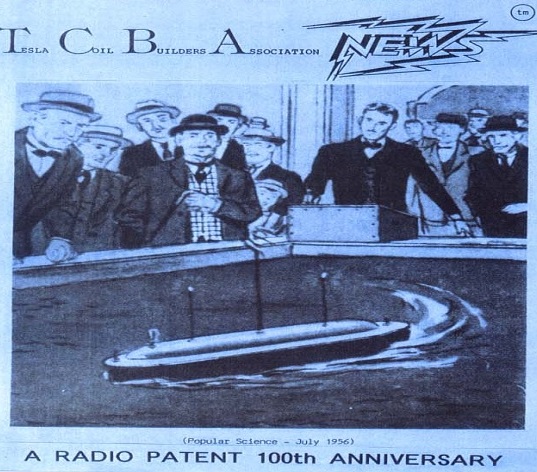
In this segment, we will learn the history behind Remote Control Flying. In 1897 Nikola Tesla discovered the use of radio signal as a way to control things wirelessly. He successfully sent a wireless transmission from his laboratory to a boat on the Hudson River – a distance of about twenty-five miles  (Tandon, 2021). People did not believe his discovery, so he later demonstrated it publicly by wirelessly controlling a boat in a pool in Madison Square Gardens (Hunt, 2023). The first RC boat was controlled by using radio waves to direct its movements through an antenna on the boat (Tandon,2021). 

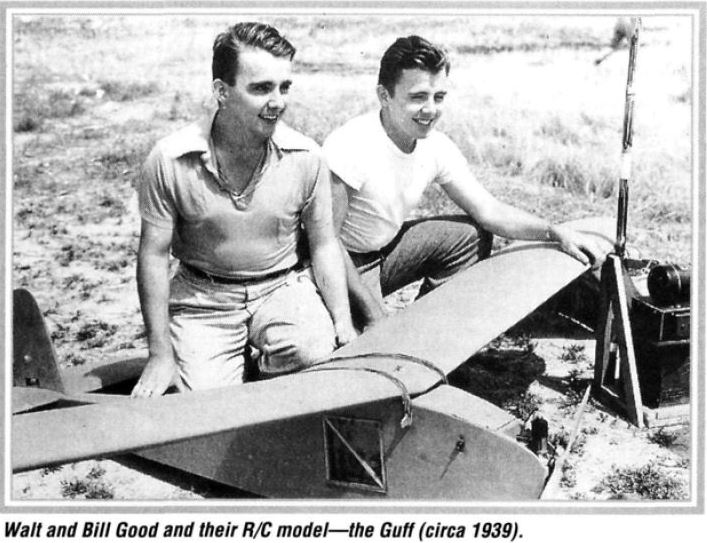
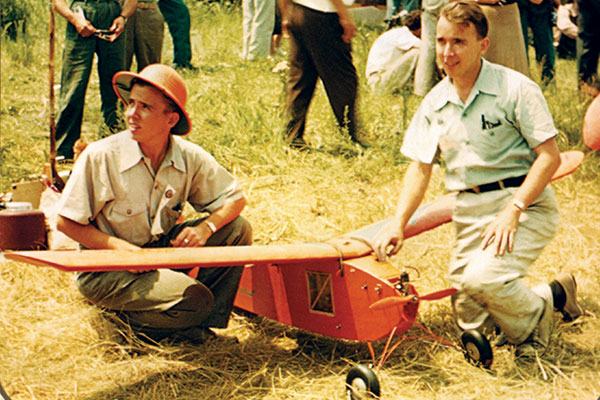
Fast forward to the mid 1930s. During this time there were several influential people that made important contributions to RC Flight. One important set of men are the Good brothers – Walt and Bill. These twin brothers, with backgrounds in ham radios, built the first radio controlled airplane in 1937, known as the Big Guff (Pete, 2023). Being able to control the planes trough radio was a giant step forward in the modeling era. 

Ross Hull and Clinton DeSoto, both heavily involved in ham radios, are another two of the early RC pioneers. Together, they built and flew RC gliders in the first public demonstration (Gudaitis, 2015). By the end of the 1930’s their sailplanes had over 100 flights total. Unfortunately, Hull passed away in 1939 and Desoto passed away in 1949.  

Leo Weiss, a young engineering student, built a fourteen foot wingspan RC model and together with Jon Lopus they had created the reed-control system, basically an eight channel system (Gudaitis, 2015; Noll, 2018). The reed-control system used “six tuned reeds that responded to audio tones” (Gudaitis,2015), and became more popular in the 1950s. 

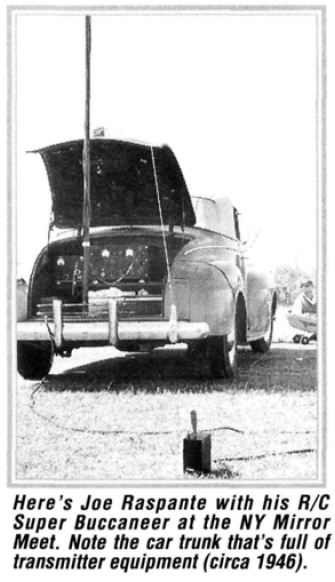
An electronic technician named Joseph Raspante is another revered pioneer of RC. He built an RC system that “used a telephone dial to select control functions” (Gudaitis, 2015).

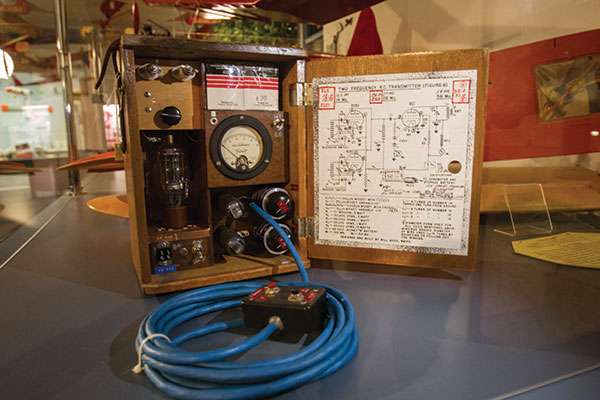
In 1939 Howard McEntee published details for a twin-frequency transmitter and by 1941 Thracy Petrides and Leon Hilman had published a multifunction, single channel, RC system (Noll, 2018). 

By the 1950’s FCC was granting permissions to the RC Modeling community and transmitters began selling to the public. Since then, equipment and the radio control hobby has only continued to grow and evolve!

Sources:

“Radio Control” Academy of Model Aeronautics. (February 15th, 2023) URL https://www.modelaircraft.org/radio-control#:~:text=The%20first%20truly%20successful%20Radio,brothers%20to%20fly%20the%20Guff.
“The History of Radio Control” Noll, Bob. Model Aviation. (August, 20108) URL https://www.modelaviation.com/history-of-rc

“The First Days of Radio Control” Gudaitis, Frank. Model Airplane News. (July 28th, 2015) URL https://www.modelairplanenews.com/the-first-days-of-rc/

“Nikola Tesla: Father of Robotics” Tandon, Tulika. Jargon Josh. (July 9th, 2021) URL https://www.jagranjosh.com/general-knowledge/nikola-tesla-birth-career-inventions-family-death-complete-biography-1625744423-1 

“Nikola Tesla” Hunt, Inez Whitaker. Encyclopedia Britannica. (January 3rd, 2023). URL https://www.britannica.com/biography/Nikola-Tesla 

“Aeromodelling History” Pete. RC Plane World. (February 15th, 2023) URL
https://www.rc-airplane-world.com/vintage-rc-airplanes.html 

Top Notch Construction from TM

Inside the Top Model Wing

Ventus 2CX

Ever wonder what makes up those high quality parts? Well, wonder no-more. We can show you!

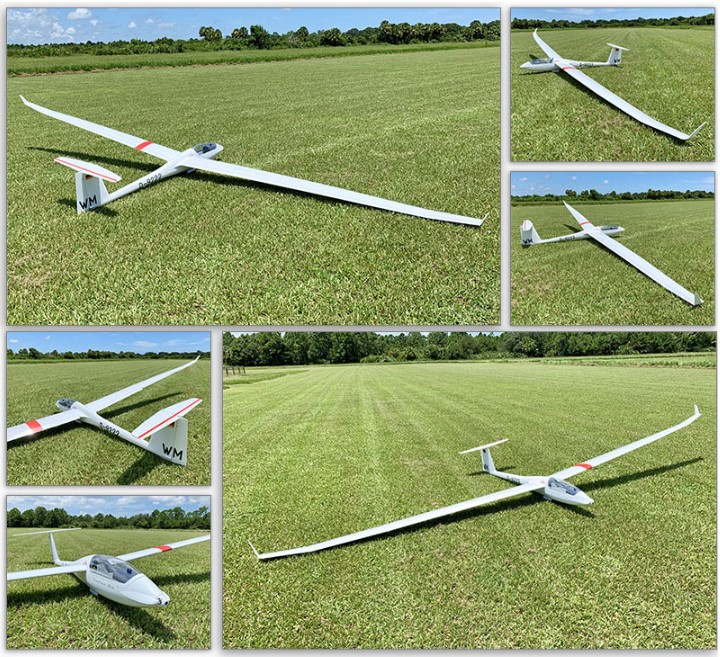
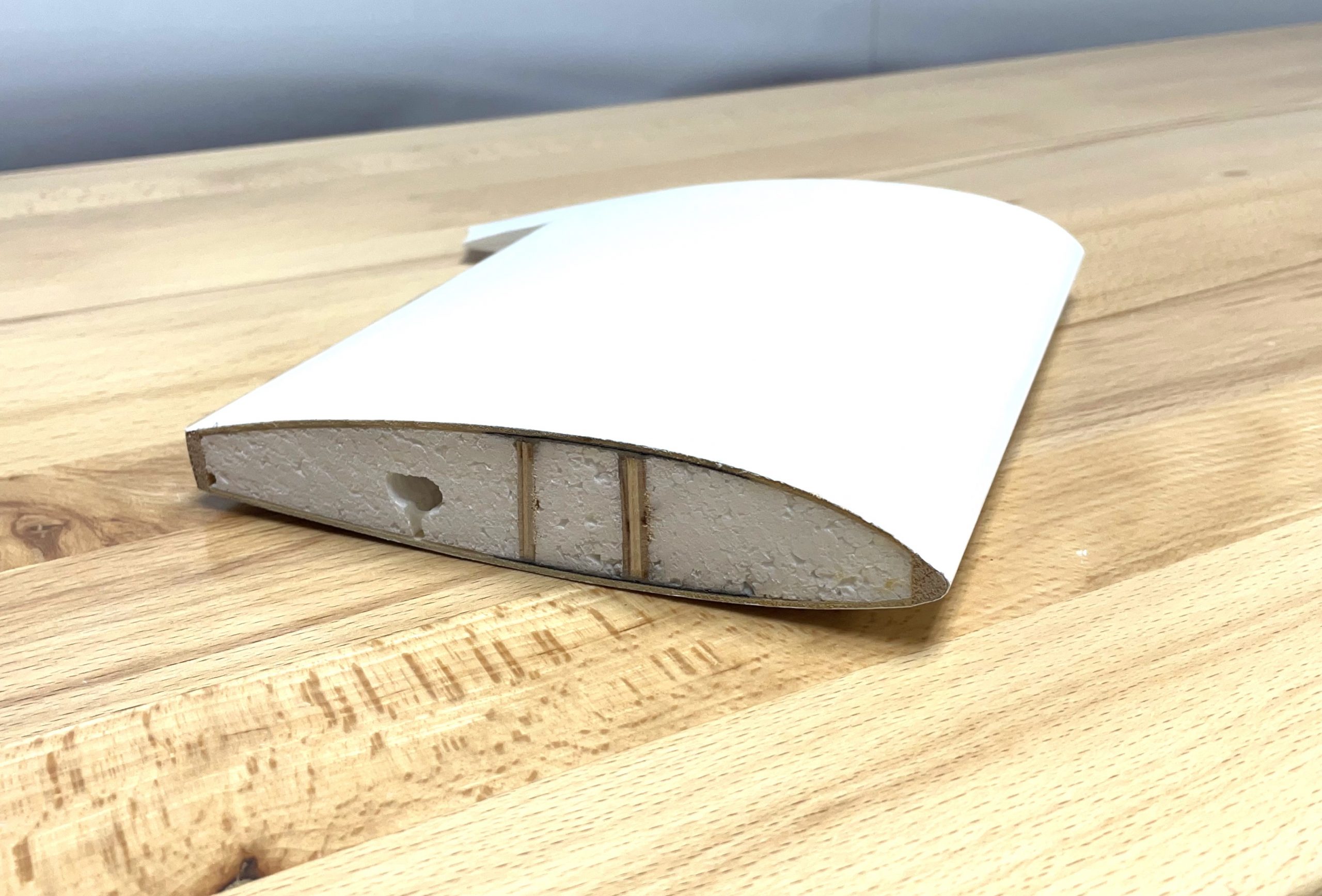
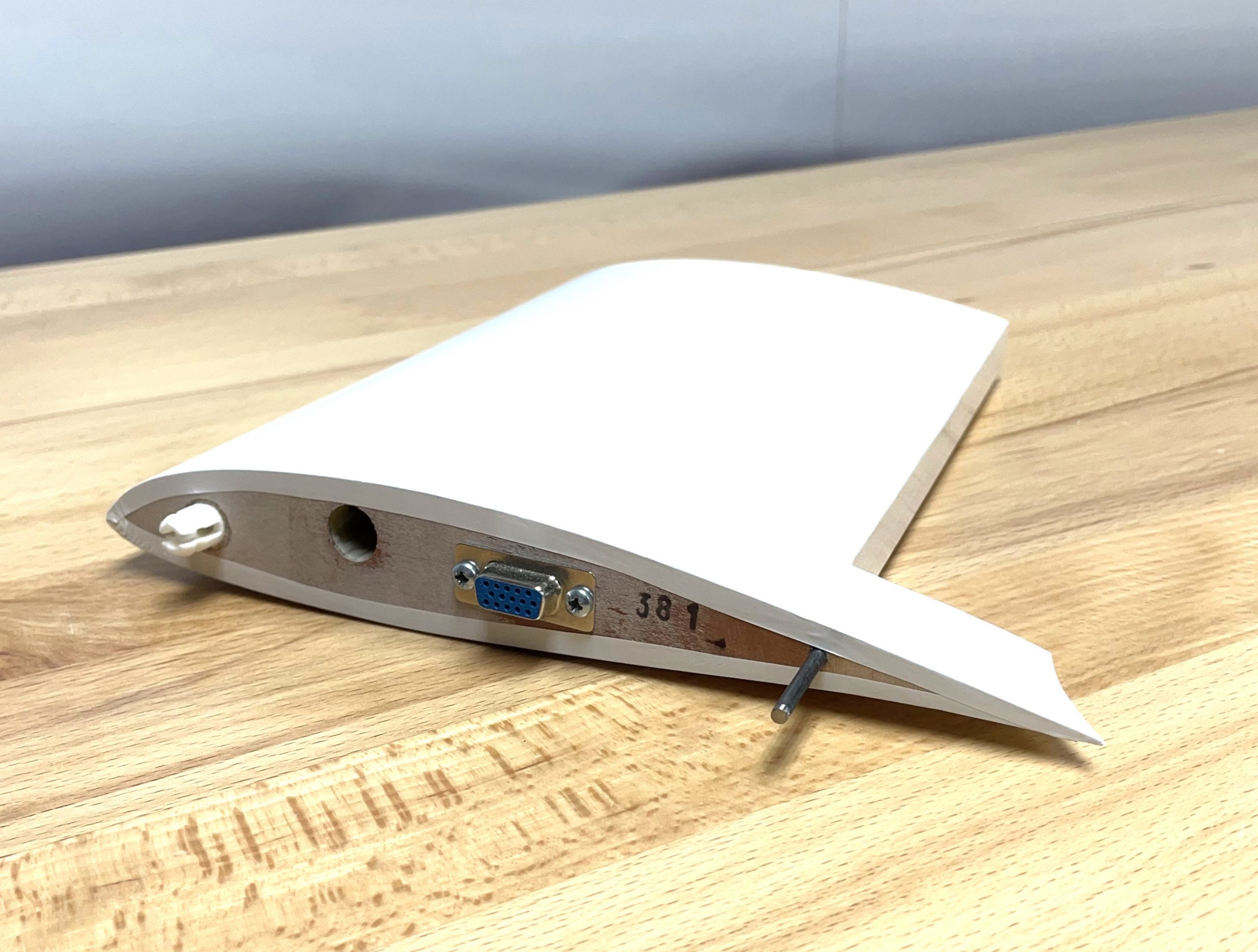
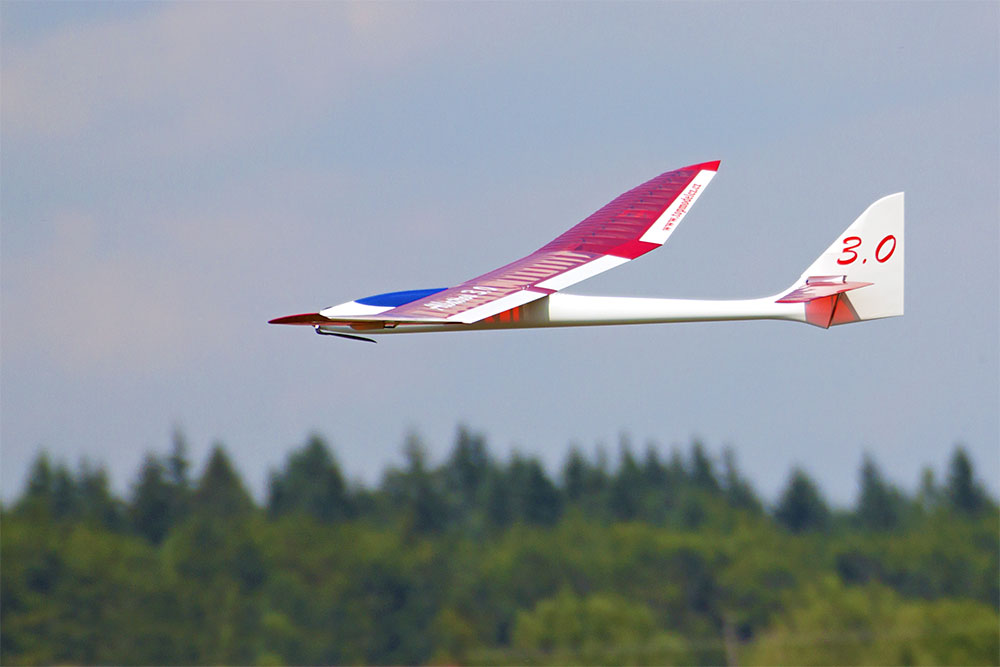
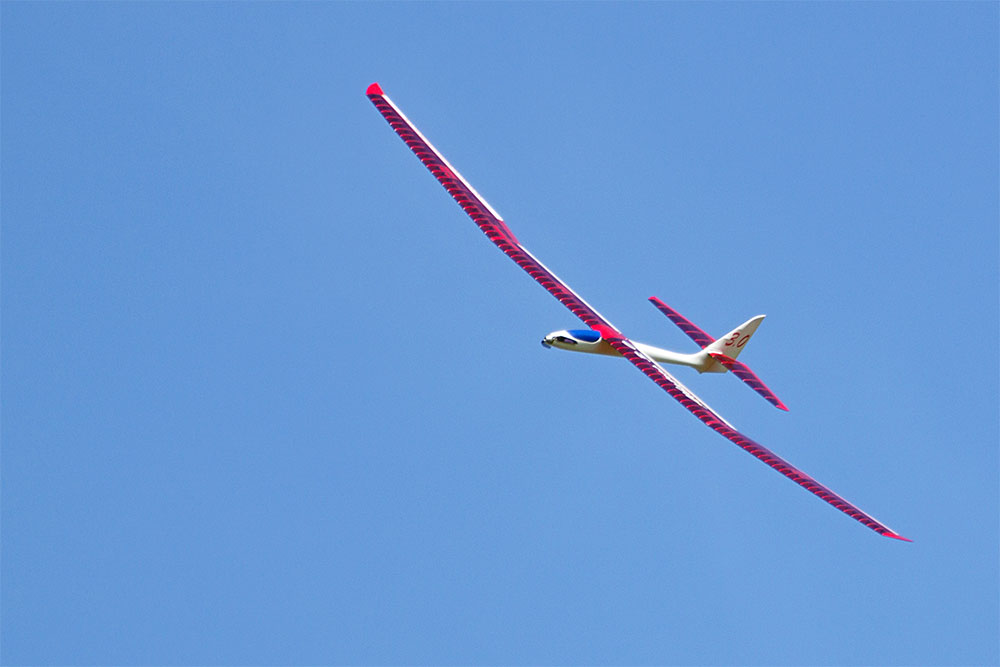
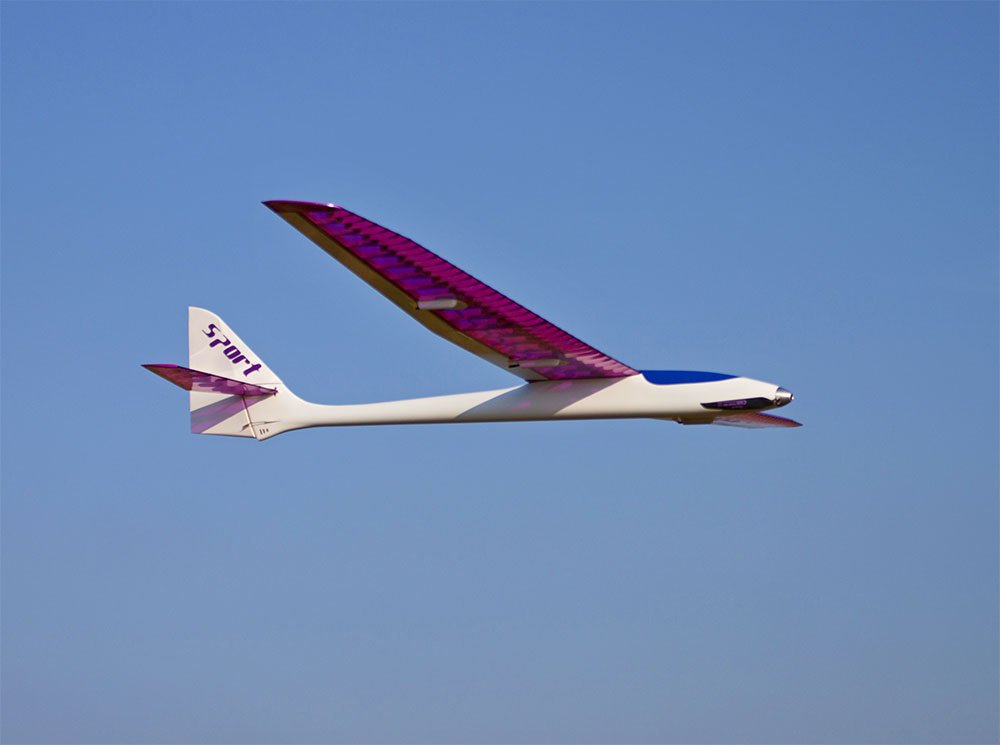
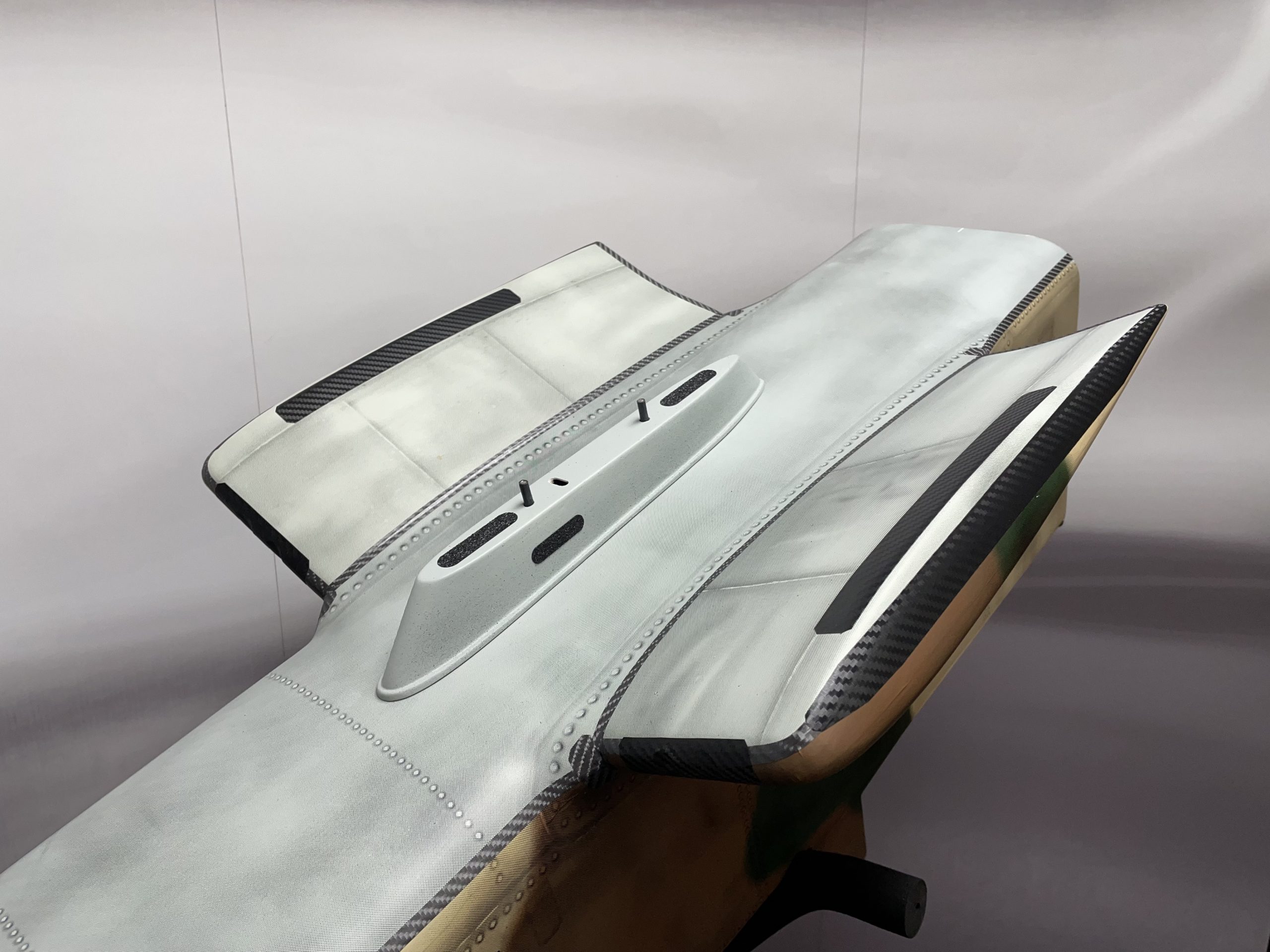
Top Model designs their scale wings to be sturdy, light weight, and easy to transport. The wings have a foam core surrounded by obechi sheeting with carbon fiber reinforcement. The wing is then covered in Ultracote. Both the wing and fuselage have pre-installed wiring harnesses that also include multi-pin connectors for fast, trouble-free setup at the field. Due to Topmodel’s ingenious retention system, the wings are easy to remove and transport, yet kept secure when in flight.

Check out all of our TopModel Sailpanes here:

Calling All Angels!

Charlie and Her Angels (Albatros & Super Sport)

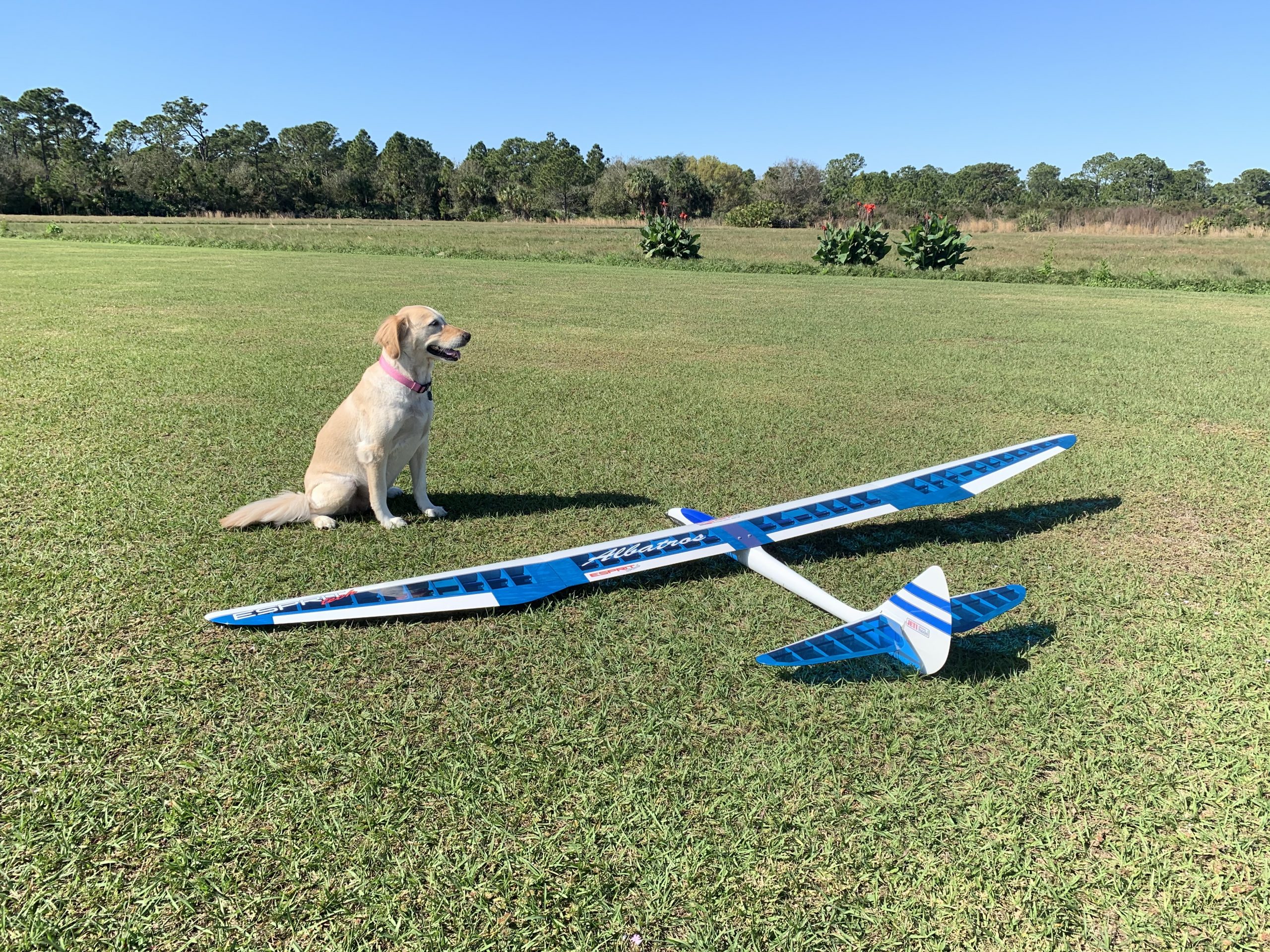
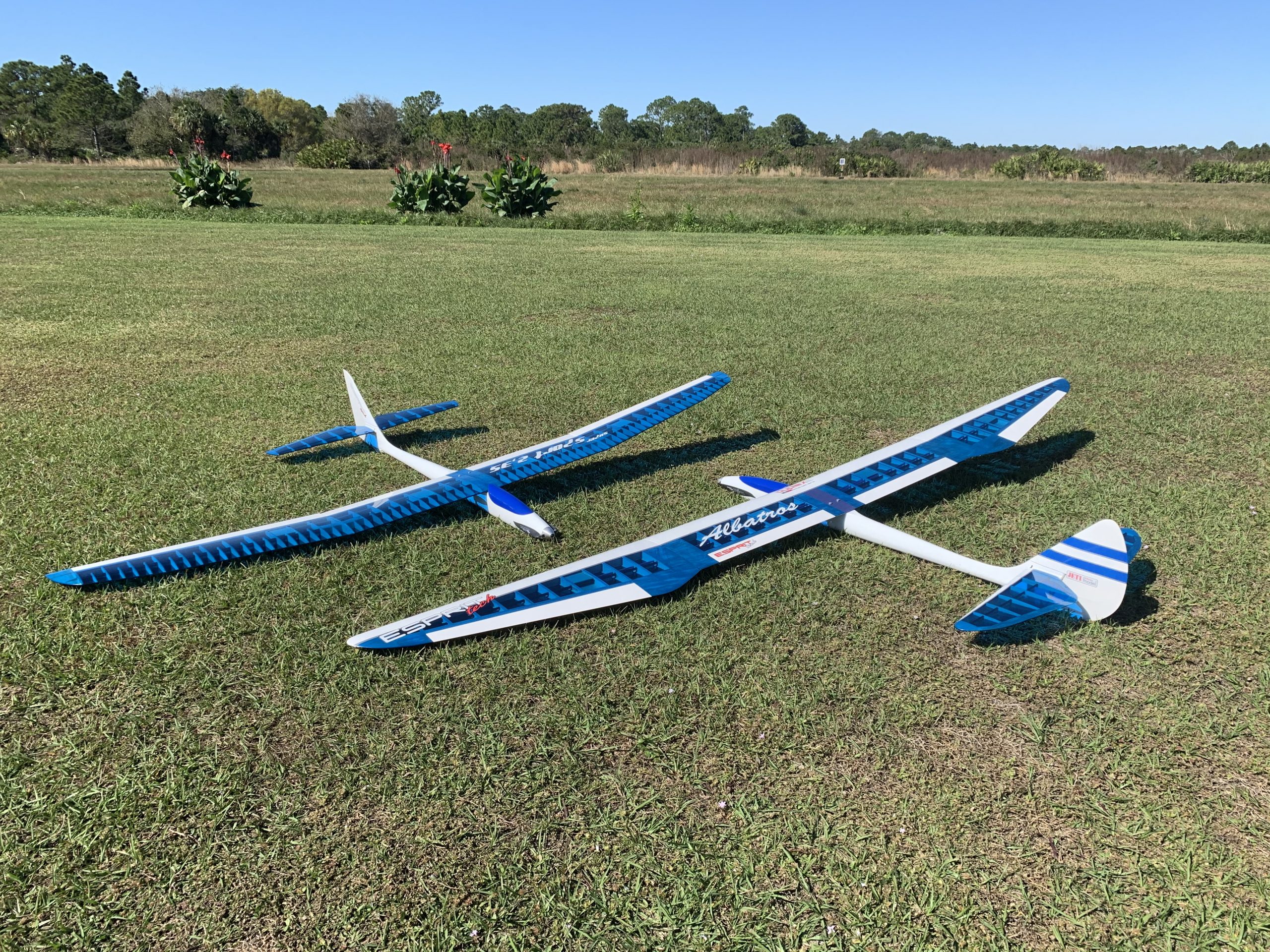
This pup loves to chase after our Albatros Classic Sport 3E and Super Sport 2.35E, and these angelic aircraft are definitely worthy of chasing.

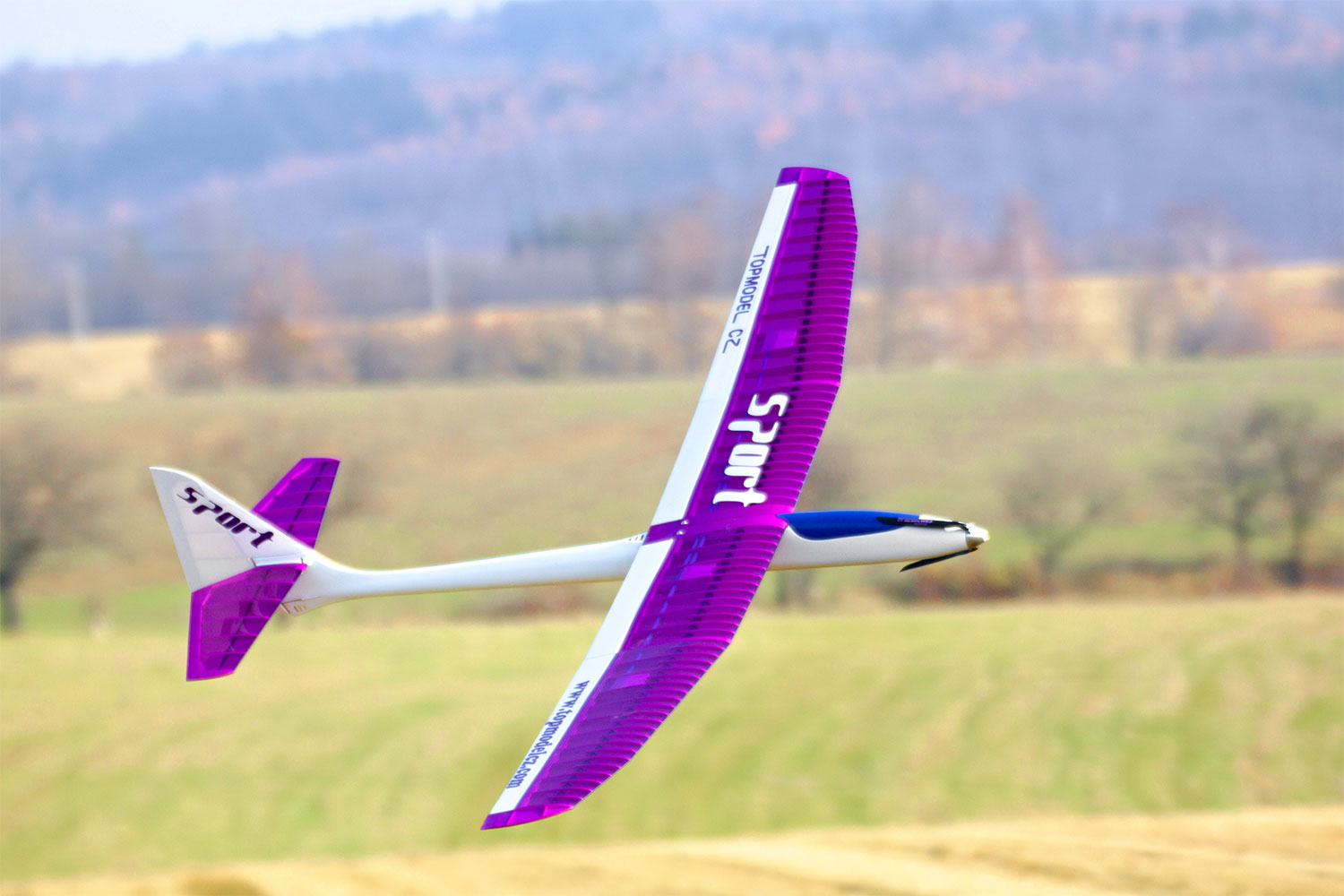
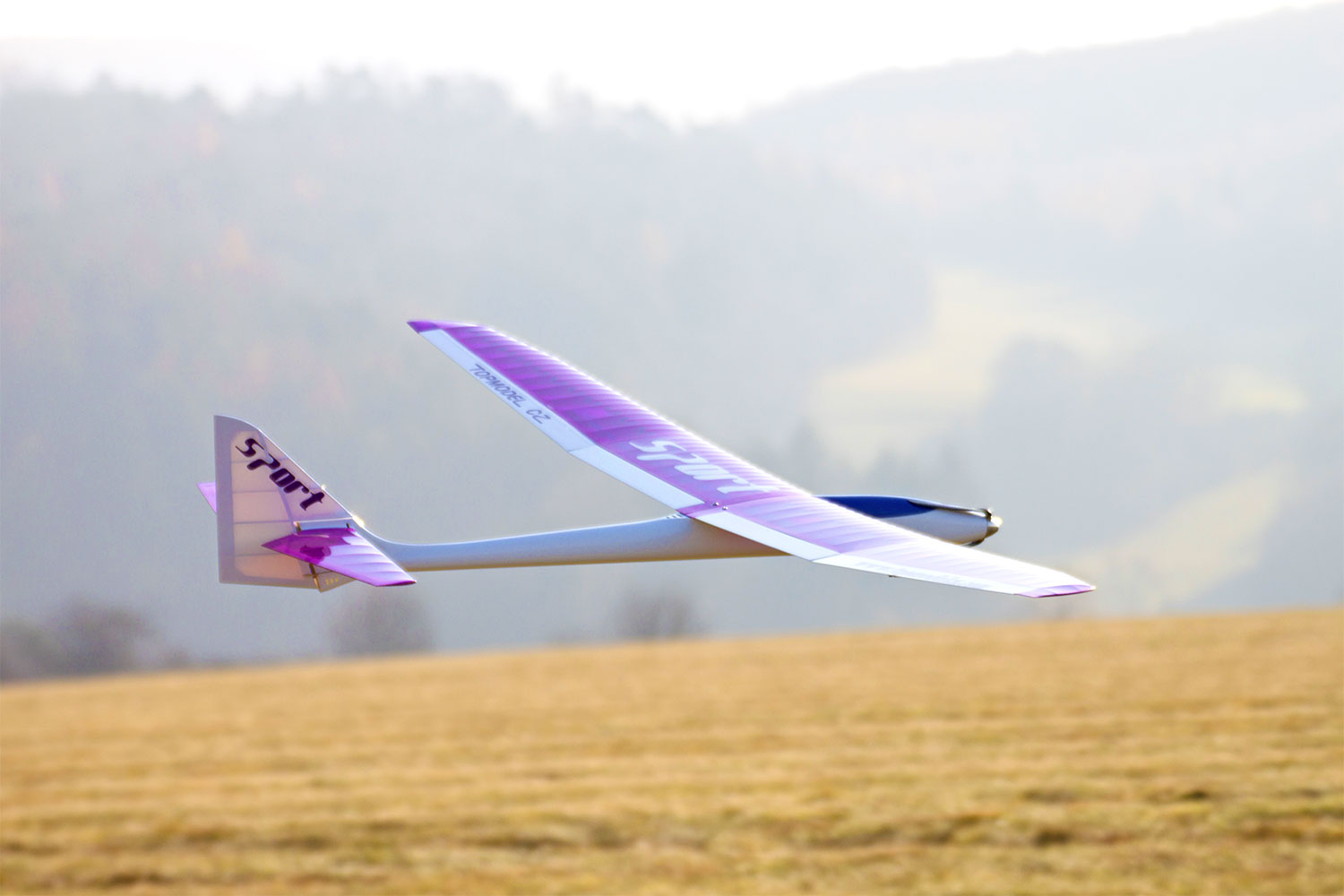
Classic in design, but not lacking in technological advancement, the Albatros Classic Sport is one of our favorite choices for a trip to the flying field. It sports a gel-coated fiberglass fuselage, balsa/ply D-tube wing, and a carbon/balsa built up tail. The three meter wing is in three pieces wing for easy travel and storage. Complete with the ailerons, elevator, rudder, and flaps, you are in full control as you fly. As a final touch, the wing and tail are beautifully covered in transparent Ultracote.

Check out the specs here.

The Super Sport 2.35 is another beautifully designed aircraft. This airframe also has a gel-covered fuselage, carbon and balsa built up tail, and a two piece wing that has a carbon fiber main spar/leading edge. Like the Albatros Classic Sport you also have ultimate control while flying with ailerons, elevator, rudder, and flaps.

Read more about the Super Sport 2.35 here.

Upgraded Hinges on Our OV-10 Bronco

In It For The Long Hall (OV-10 Bronco Build)

OV-10 Bronco

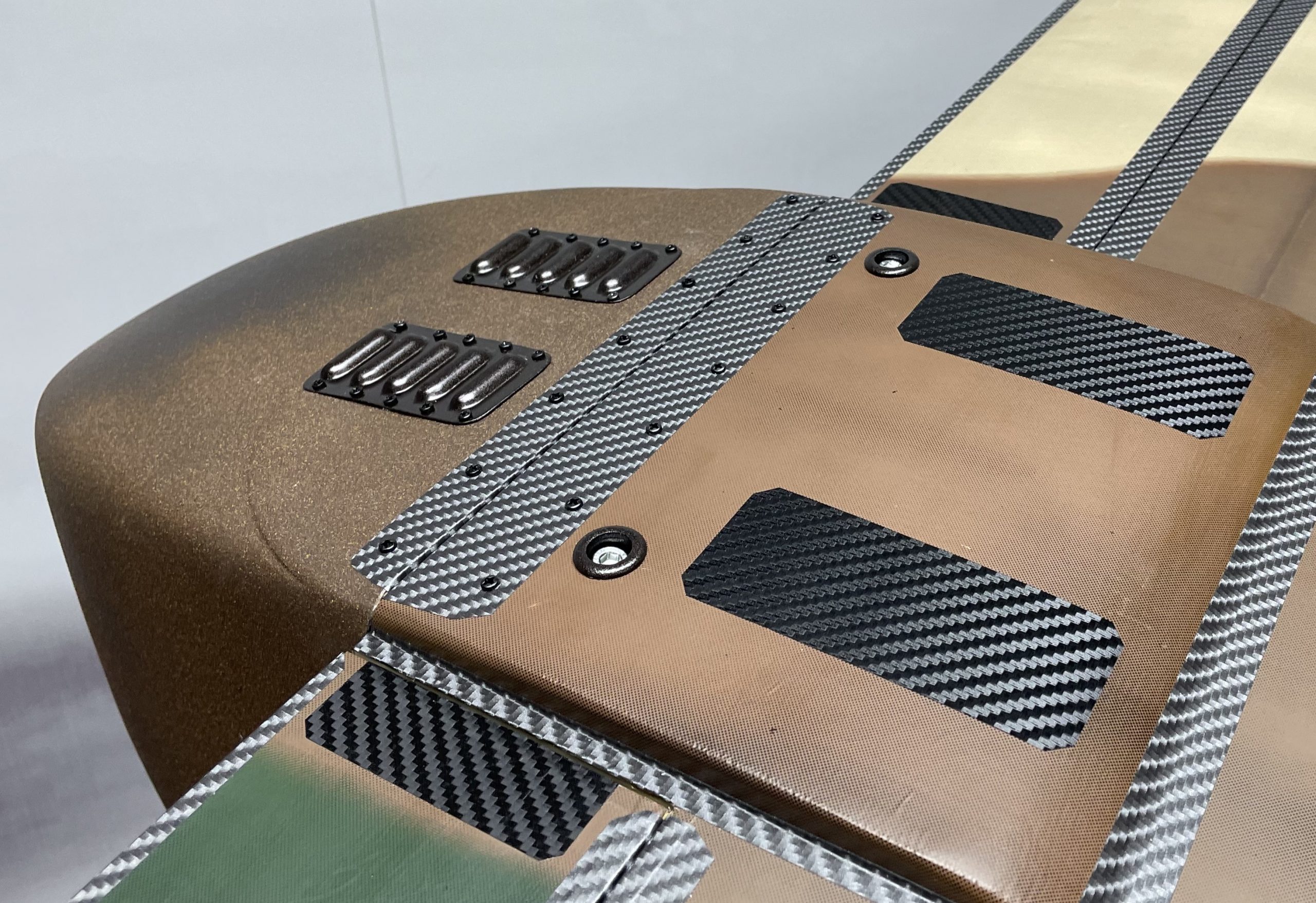
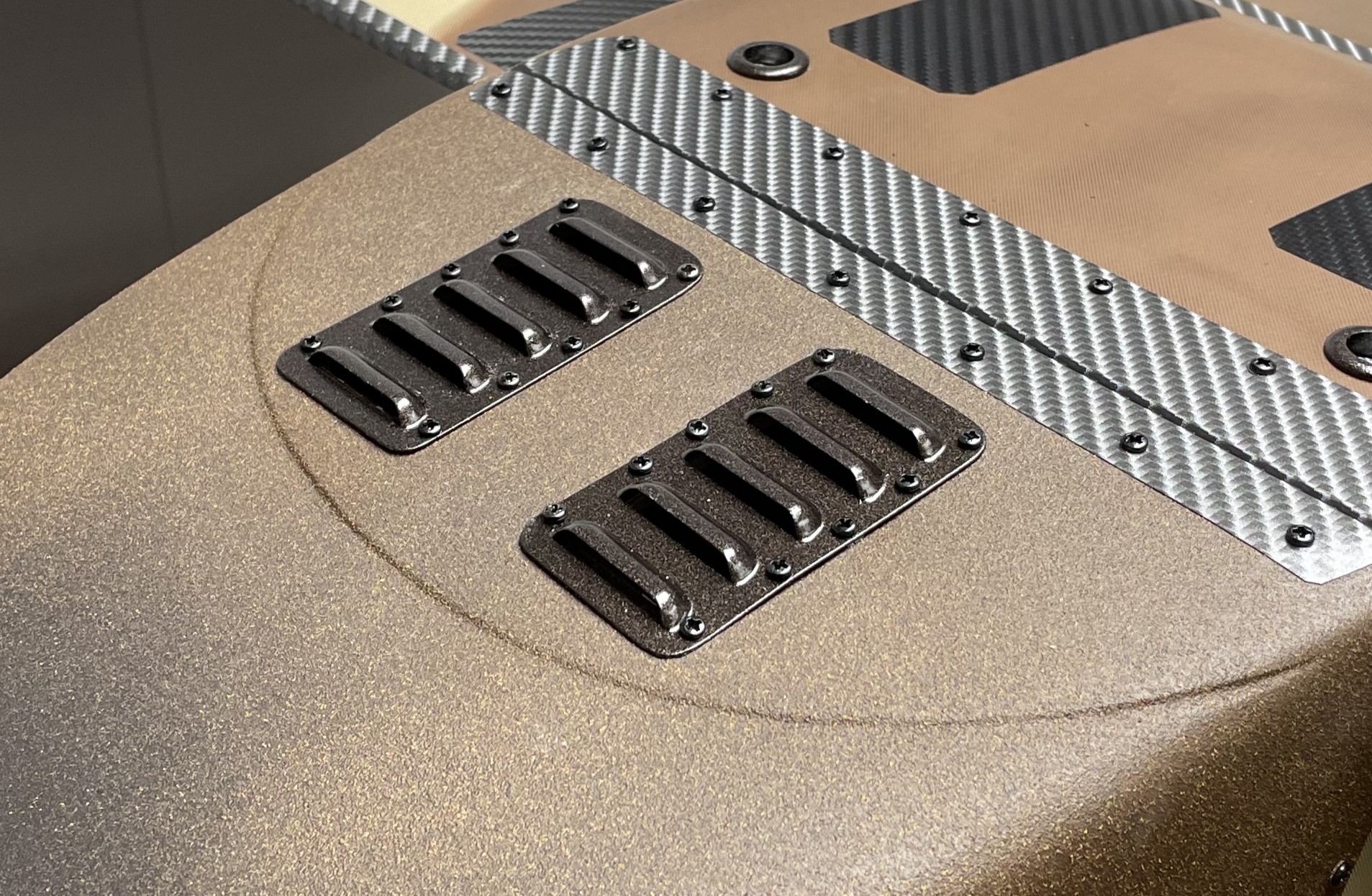
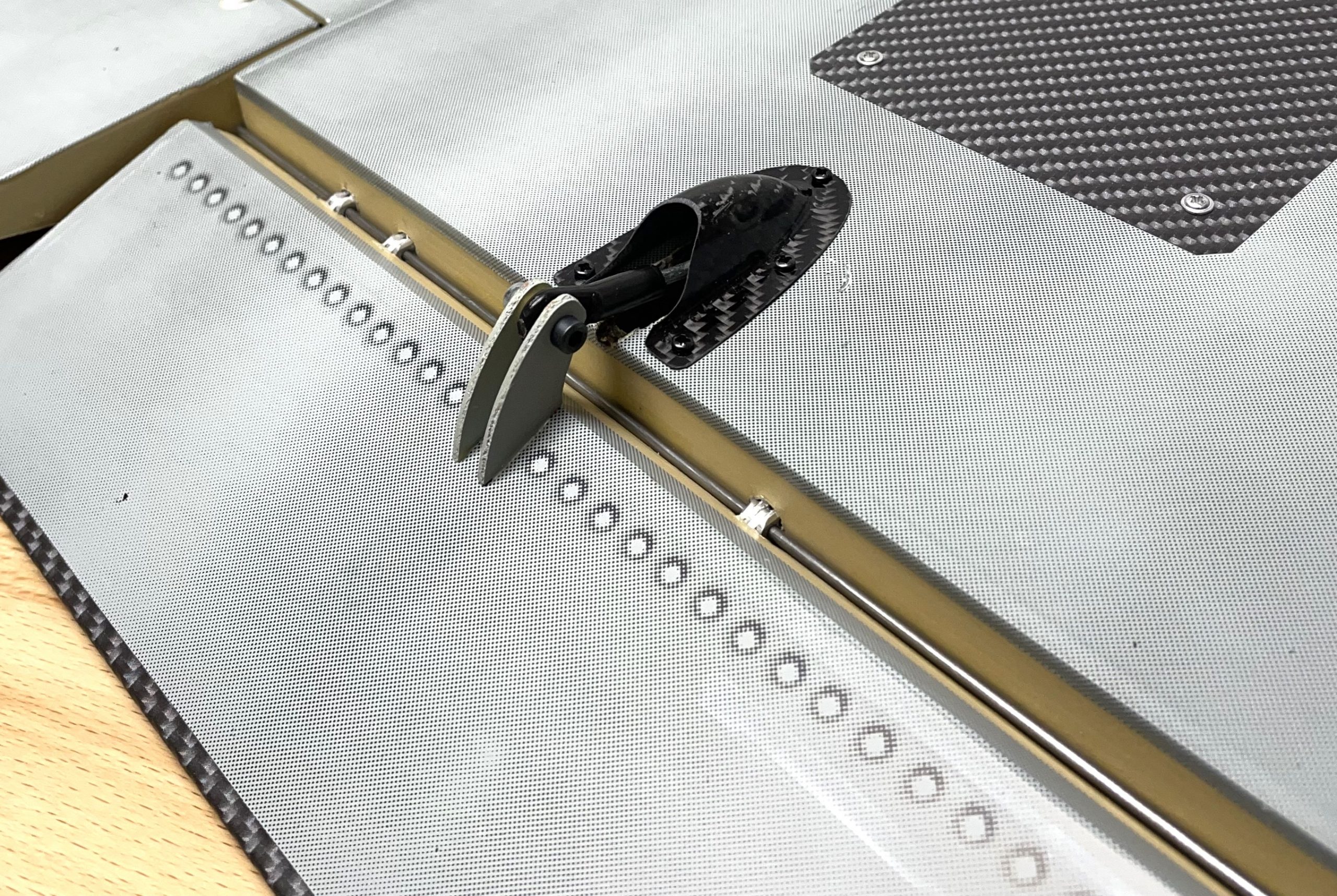
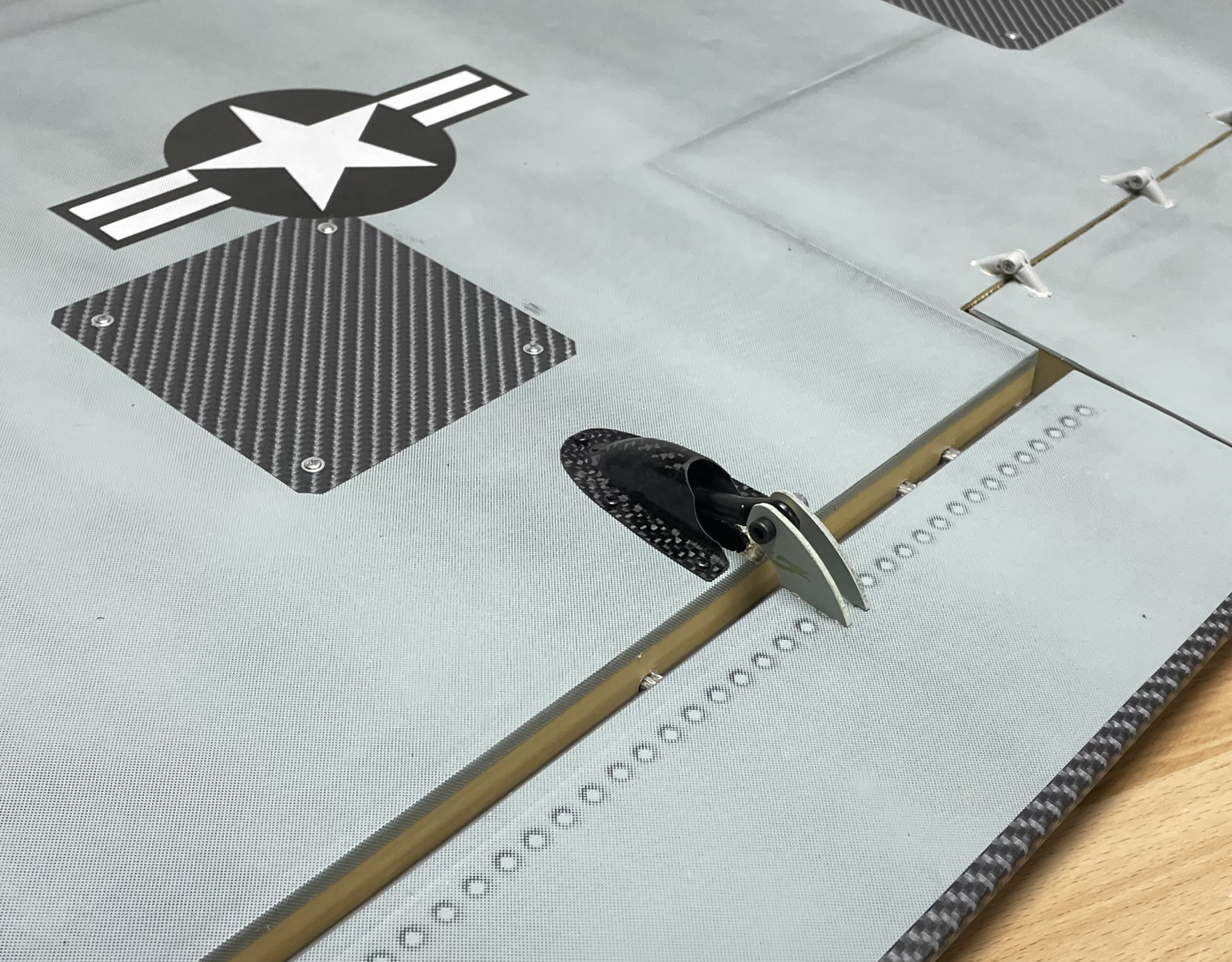
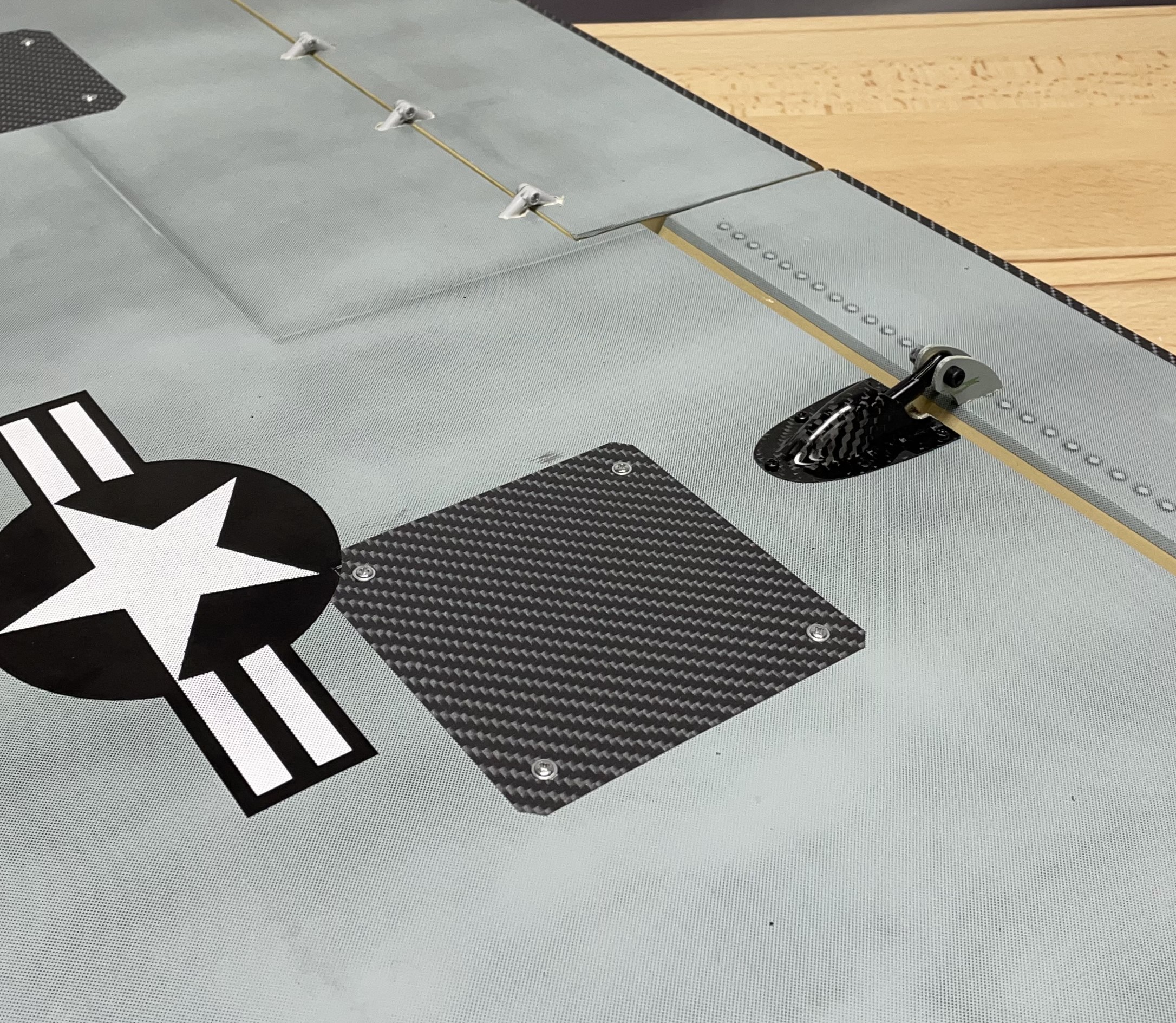
Another one of our goals when building our aircraft is to keep the quality up for as long as possible. For this reason, we chose to upgrade the hinges to aluminum hinges. Being made out of a metal, such as aluminum, verses Kevlar fabric (CA Hinges) or nylon, will increase the longevity of the hinges when under repeated stress. The added bonus is how nice they look!

Explore Hinges

With a Simple Flip of a Switch!

Now, you can effortlessly turn on and off your RC model with a flip of a switch!

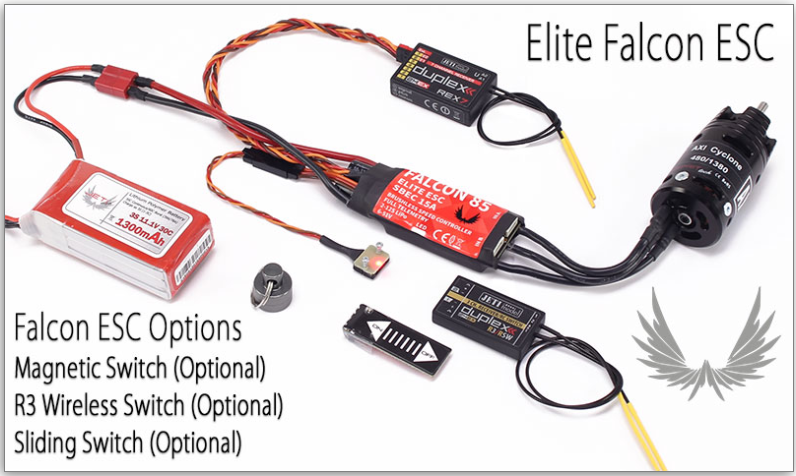
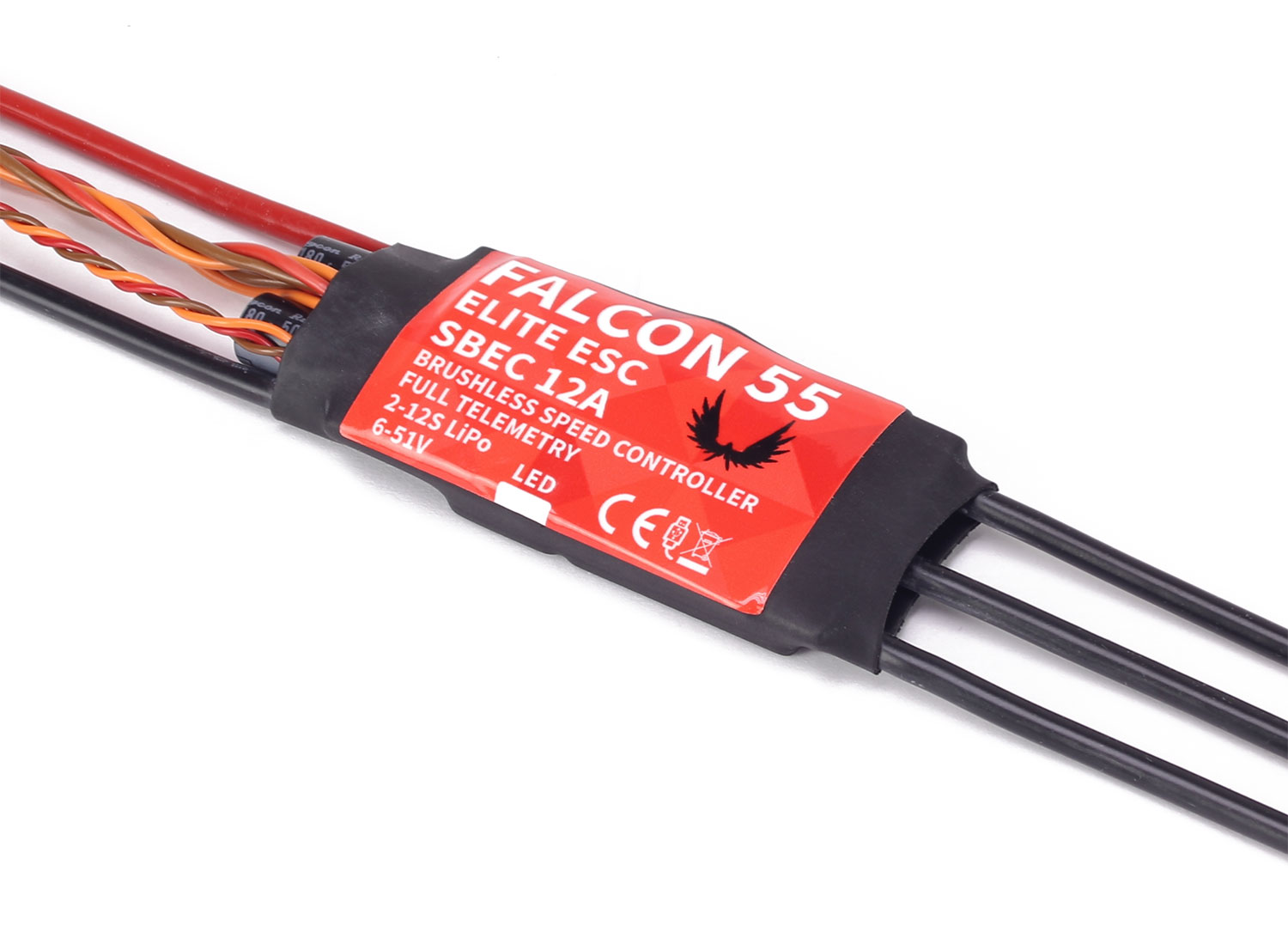
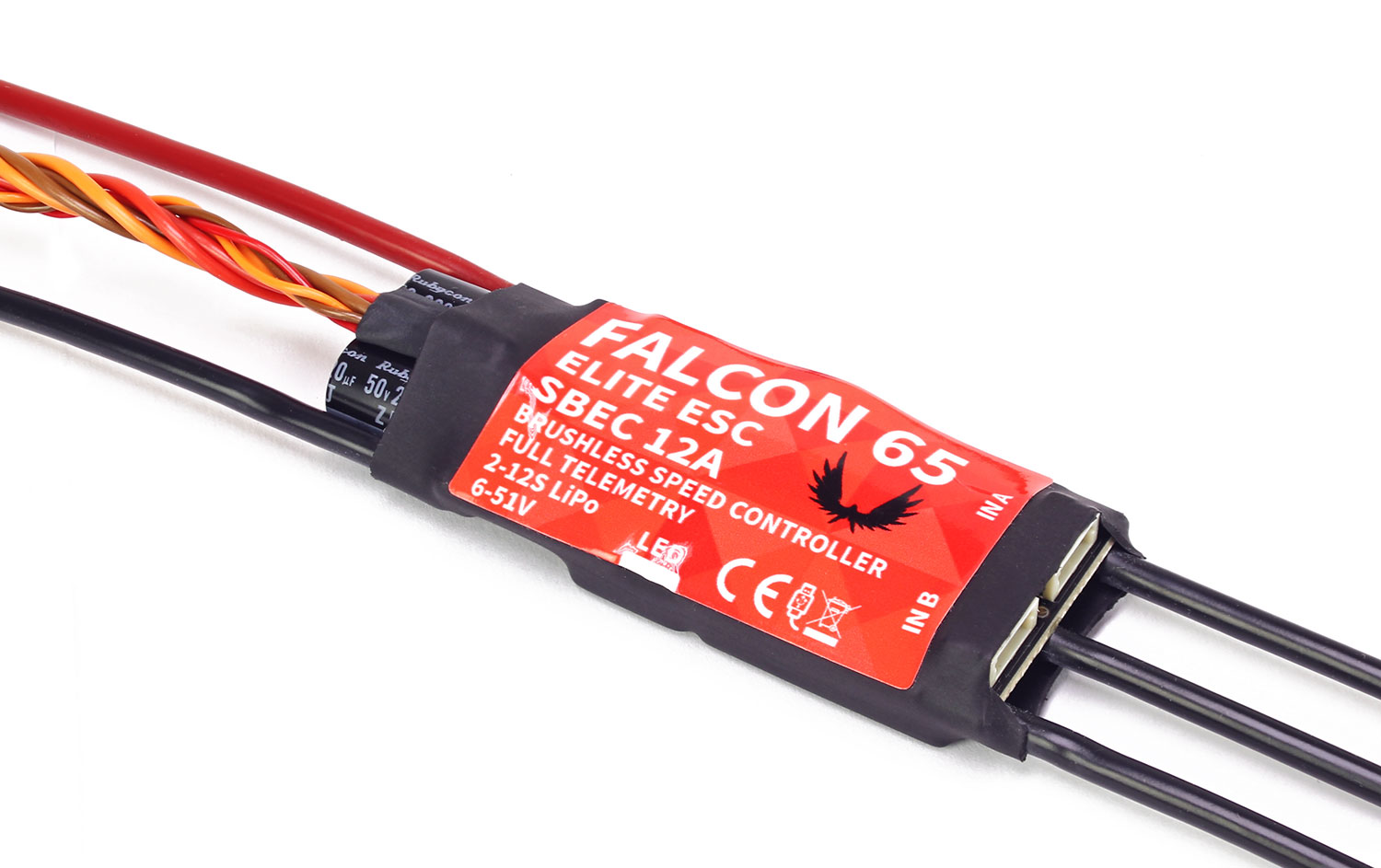
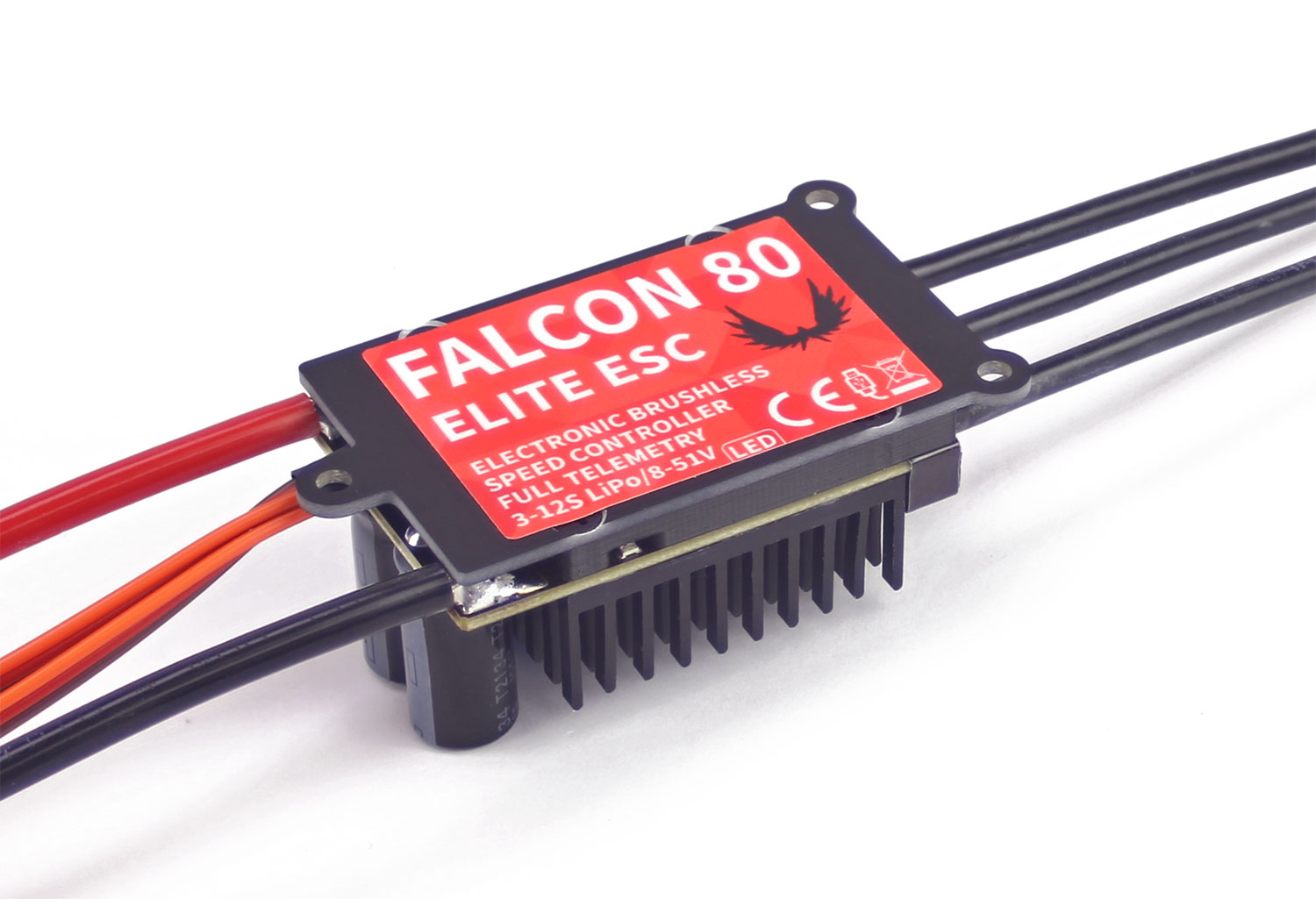
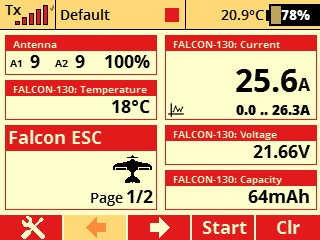
Introducing the Elite Falcon line of ESCs. These new Opto and SBEC speed controllers bring to the table revolutionary design, system upgradability, state of the art telemetry capabilities, and the ability to use a magnetic, touch, or wireless switch to turn on and off your model.

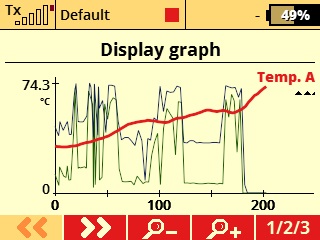
The Falcon product line represents advanced speed controllers for exclusive use in airplanes, drones, sailplanes or any kind of radio control application. With integrated telemetry and various possibilities of optional user configuration, the controllers offer high efficiency, low weight and precise motor control. The telemetry system in the Elite Falcon ESC lets you monitor in real time the Amperage (Amp), Voltage (V), and Capacity (mAh) consumed from the battery, ESC even calculates Power (W) output of the system. You can also measure the ESC Temperature and add external Motor Temperature and Propeller Positioning sensors. The Elite Falcon line of Brushless ESCs adds another revolutionary feature utilizing Backup Battery Integration. We have created a more robust hardware platform including increased cooling capability, smaller overall packaging, and selectable sensitivity to allow you to use any brushless motor that you choose. No matter which size you choose, the Elite Falcon series brushless speed controllers are right for your next project.

Learn more here.

Building Our OV-10 Bronco

Good Start to 2023 – Another Beautiful Build (OV-10 Bronco)

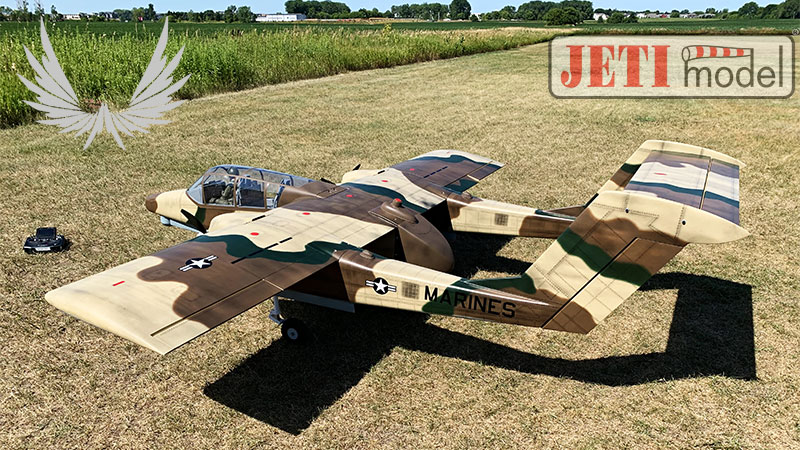
As we approached a new year, we decided that we were in need of a good project. To start, our eyes landed on this beautiful Bronco OV-10 scale warbird. This model has been equip with an Elite 40cc electric motors, Elite Falcon 130 ESC, and Hacker Ditex EL Serovs. Thanks to the EX5/SE6 bus system we were able to complete a clean set up of all our wires, and of course we are running it through a Jeti Central Box 320. (Do we need to mention that we are flying it on our Jeti DS-24… you’re right, I didn’t think so).

With a wingspan of 108″ this giant model is a representation of the original 1960’s North American Rockwell OV-10 Bronco. The OV-10 Bronco is an American aircraft which was designed by the U.S. Marine Corps for close air support and ground operations (“North American Rockwell,” 2023). It has a central fuselage that houses the pilots and cargo and two additional booms which are connected with a horizontal stabilizer (“North American Rockwell,” 2023). Each boom supports its own prop engine (or motor in our case).

We love the model as is, but it just wouldn’t feel like ours without a few modifications. Follow along with us as we complete the customization of our beautiful OV-10 Bronco!

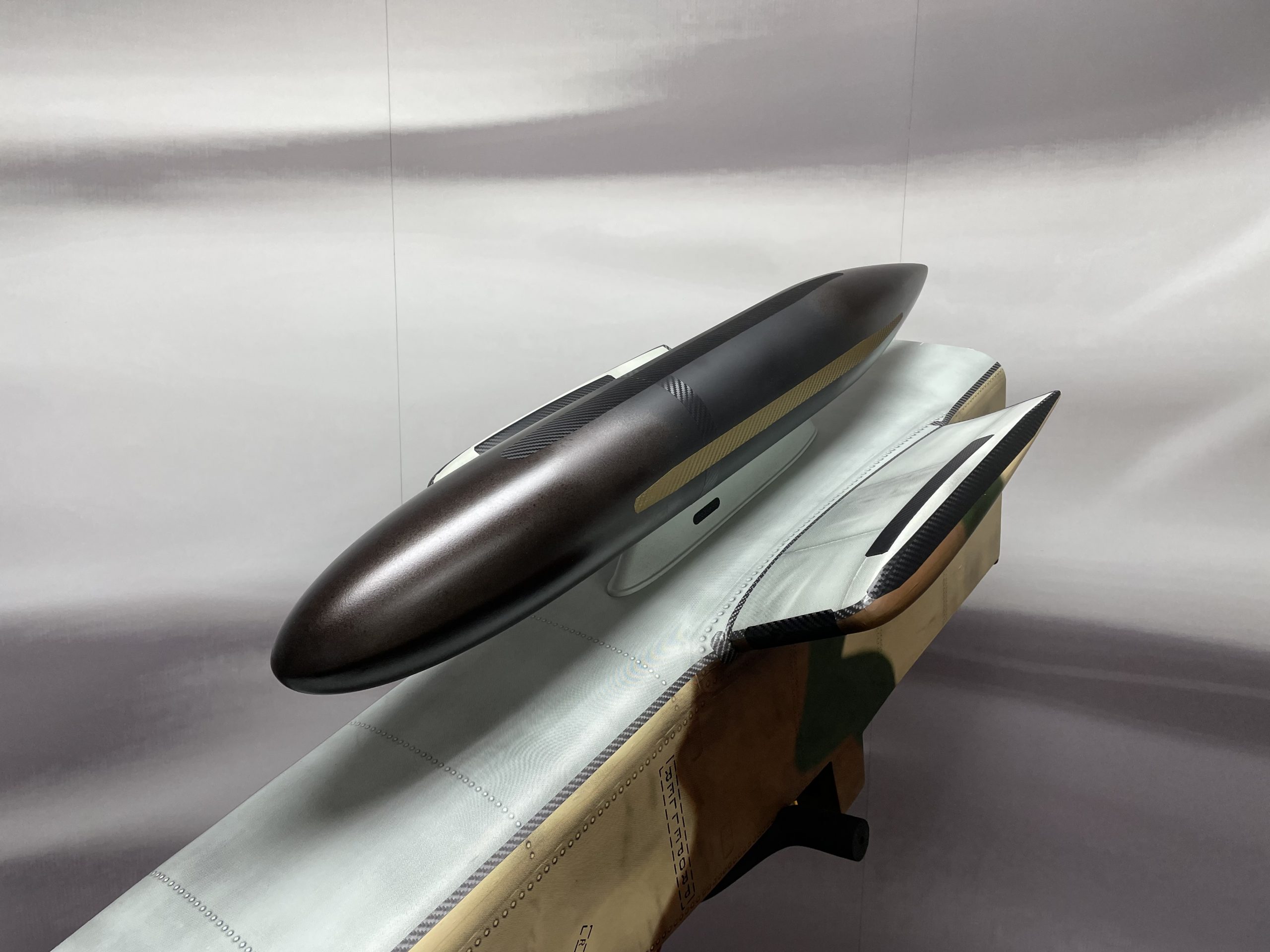
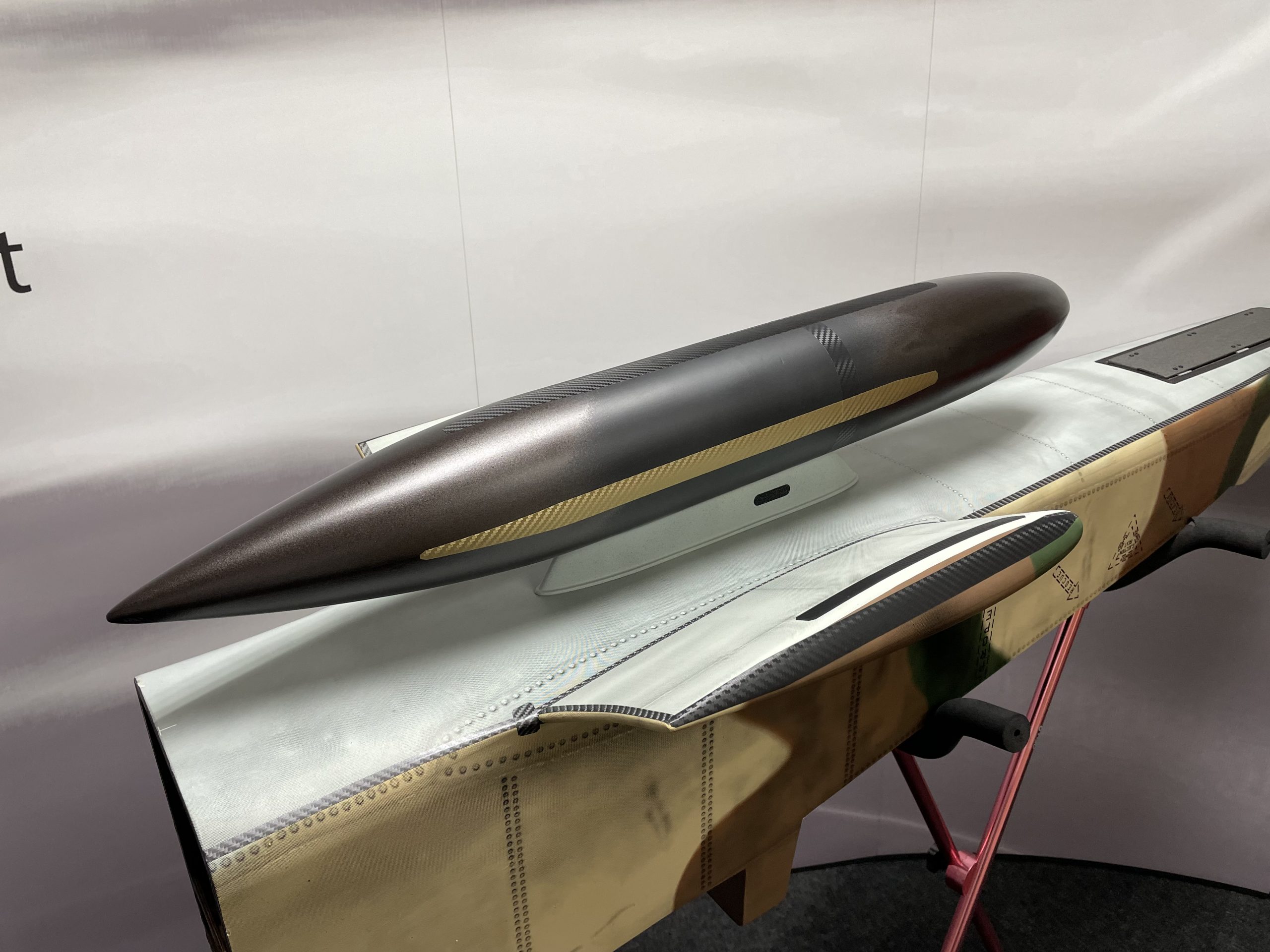
The first custom modification we made was adding a droppable fuel tank.

Check out the tank and drop modification below!

Source:

North American Rockwell OV-10 Bronco. (2023, January 18th.) In Wikipedia https://en.wikipedia.org/wiki/North_American_Rockwell_OV-10_Bronco.

Store Display Opale Paramotor For Sale!

Power 2.7/3.67m Paramotor Built and Ready to Fly!

Power 2.7 Paramotor w/Set Up

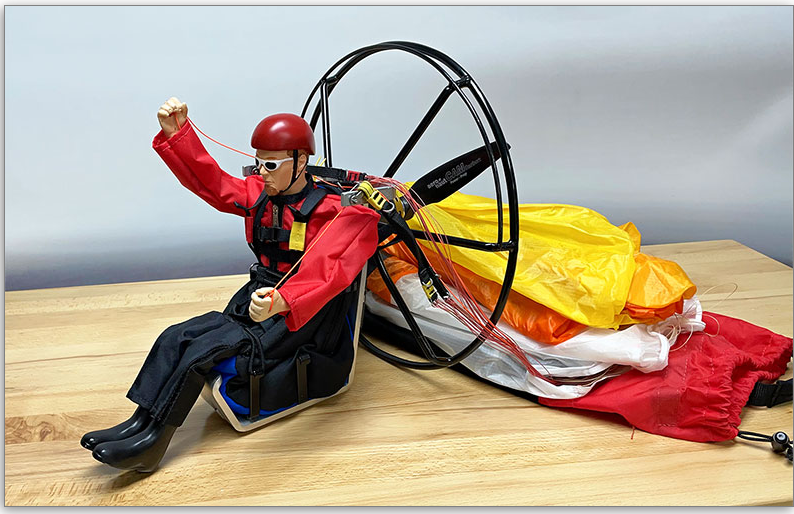
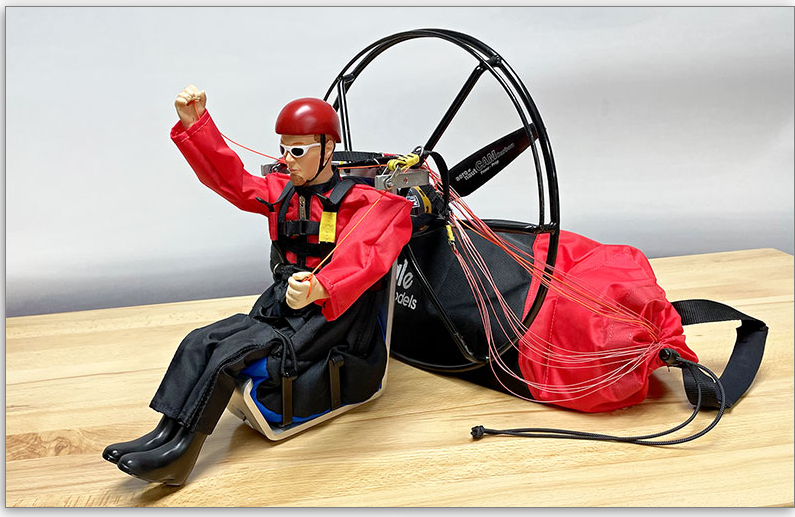
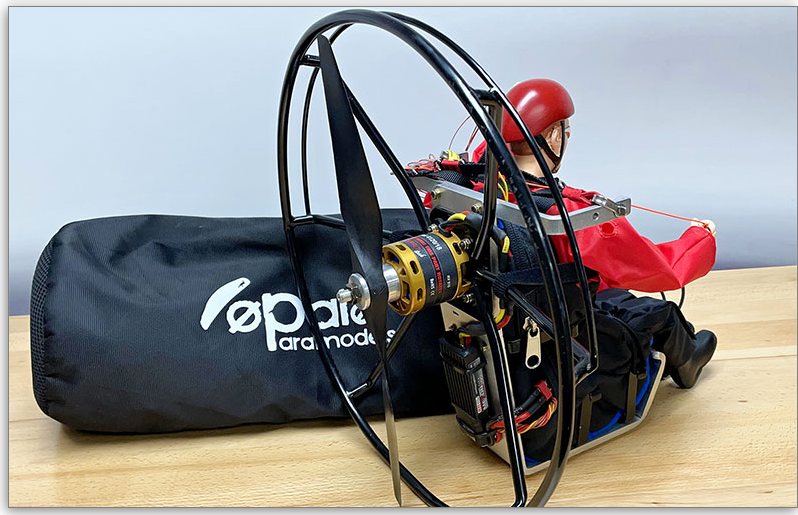
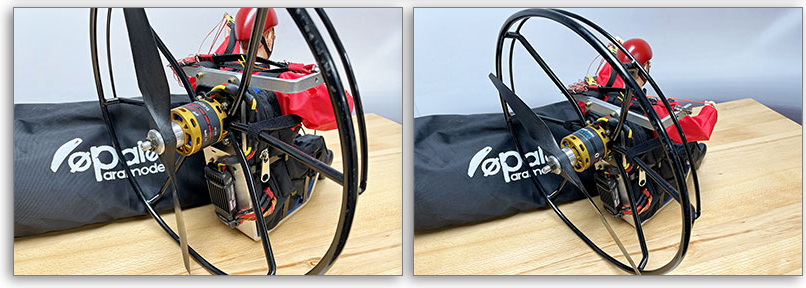
Check out this store display paramotor we have just put up for sale. Expertly built in our shop, this guy is just about ready to get up in the sky!

Condition of item: Store Demo, Test Flown, Like Brand NEW, Added Extra Features

What is included:
(1) Paraglider Wing Power 2.7/3.67m $449.00
(1) Lucas Pilot w/Harness $299.00
(1) Opale Backpack L $235.00
(1) AXi 4120/18 Brushless Motor $185.00
(1) Jeti Mezon 90 Lite ESC w/Telemetry $285.00
(1) Hardware/Ballast Package $40.00
(1) Building Services $200.00

What we recommend: Jeti Pro Power Battery 4000-5000mAh 6S

Head over to our website to see all the details!