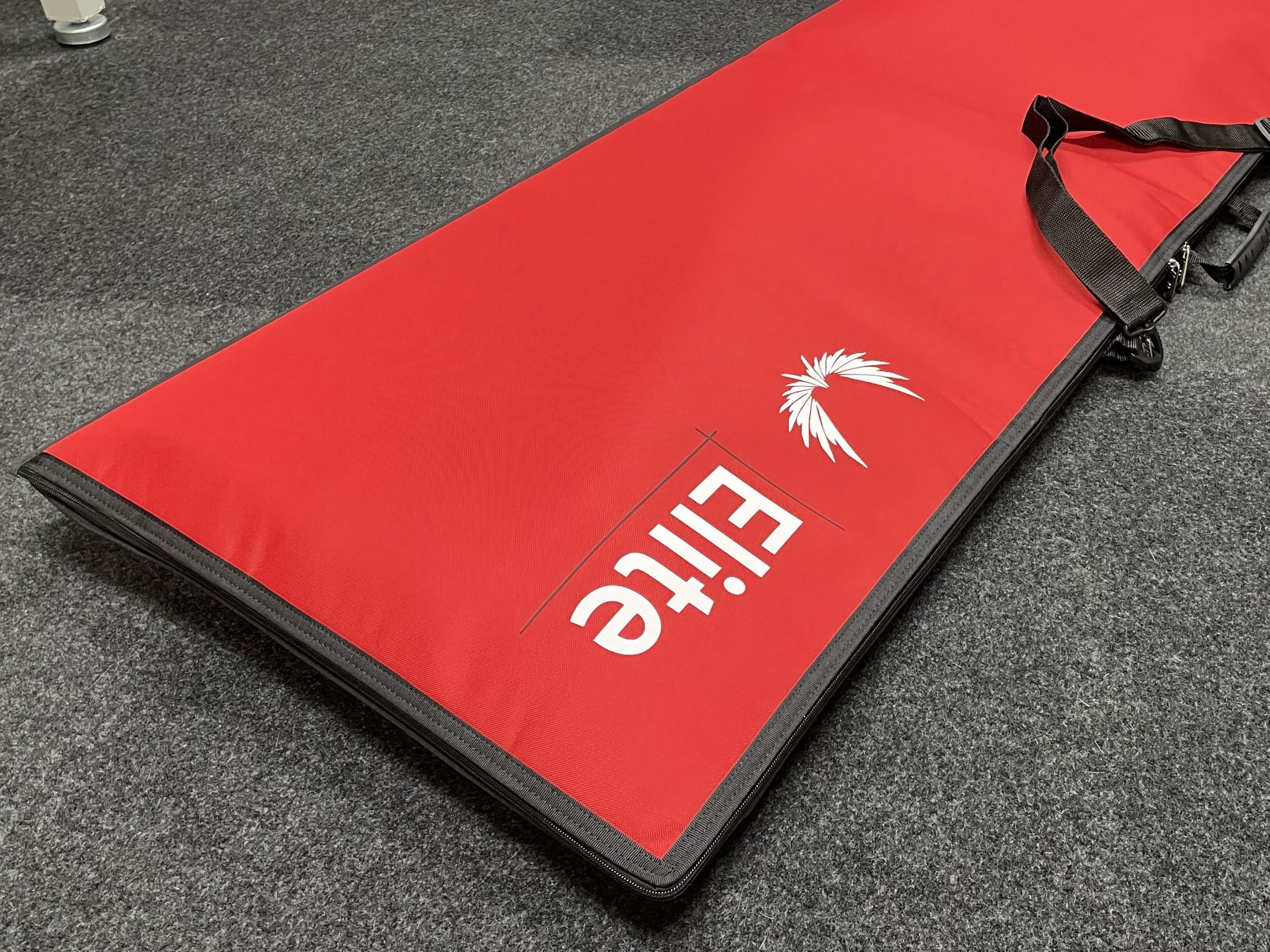
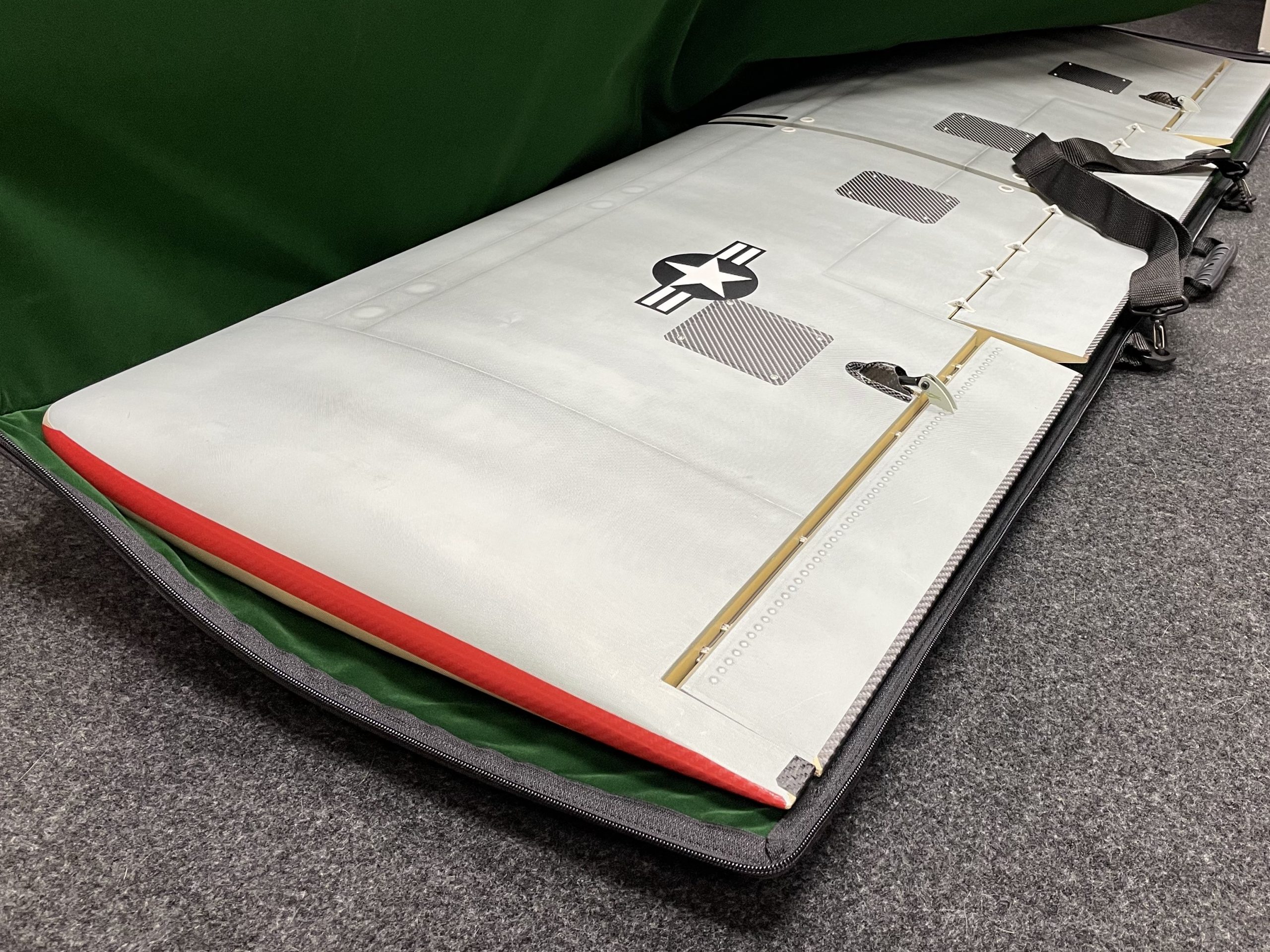
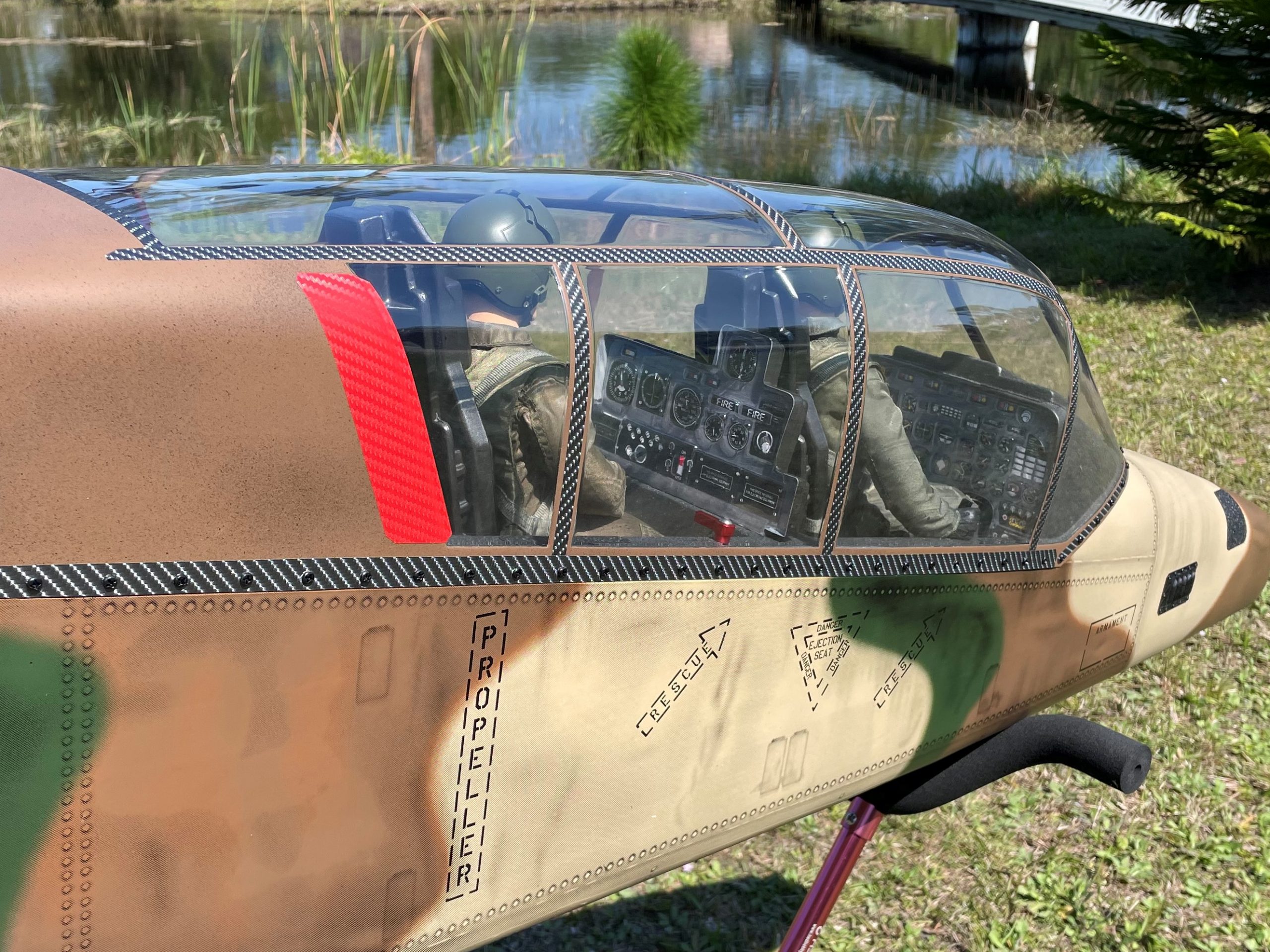
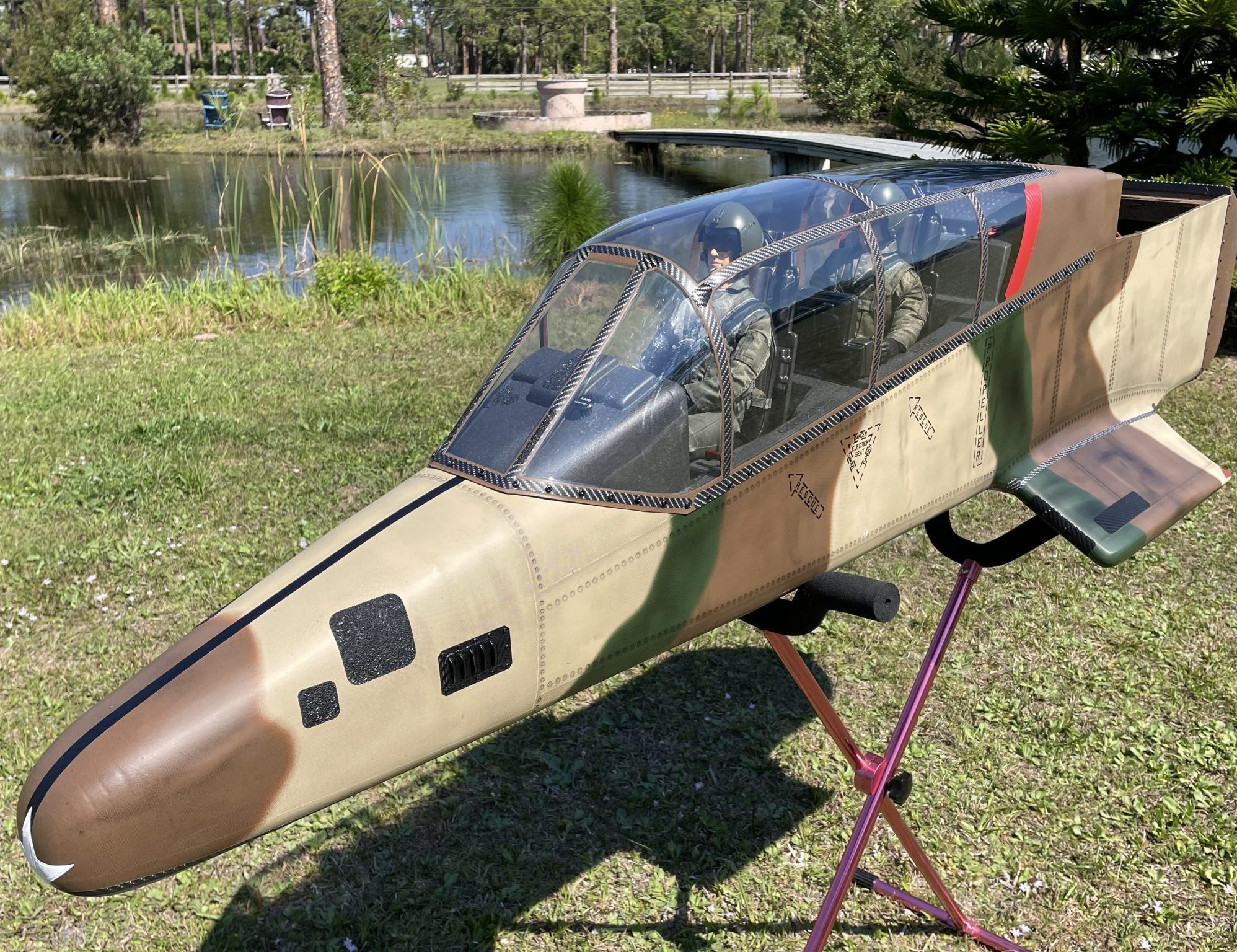
This Elite wing bag added that perfect final touch to our project. What would be the point in adding all the beautiful customizations to our OV-10 Bronco if we weren’t going to protect it any way we could? Clearly, we do not want to risk any damage, so we found the perfect solution. By connecting the wings with a wing spar, we were able to safely transport them to the field inside the Elite Universal Wing Bag (we used the 64″ bag). Not only does it protect it well, it looks good too!
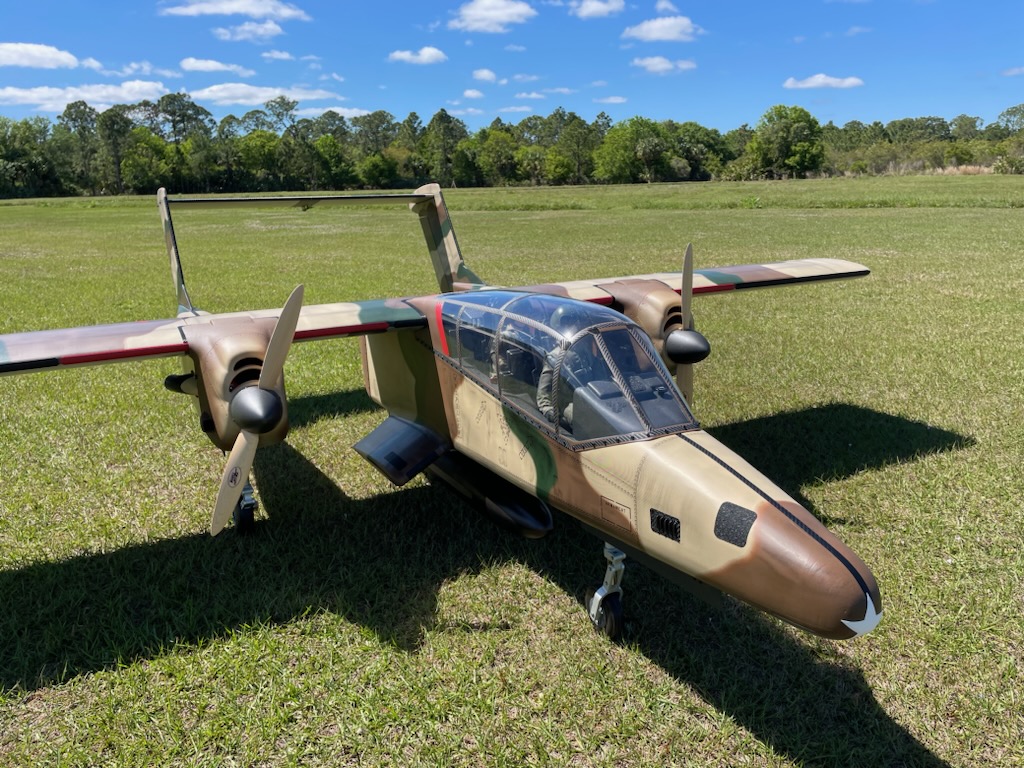
Hold on to your wings, because away we go! Take a look at how beautiful our OV-10 Bronco looks sitting on the runway. This build was an exciting build and we are so happy with how she turned out!
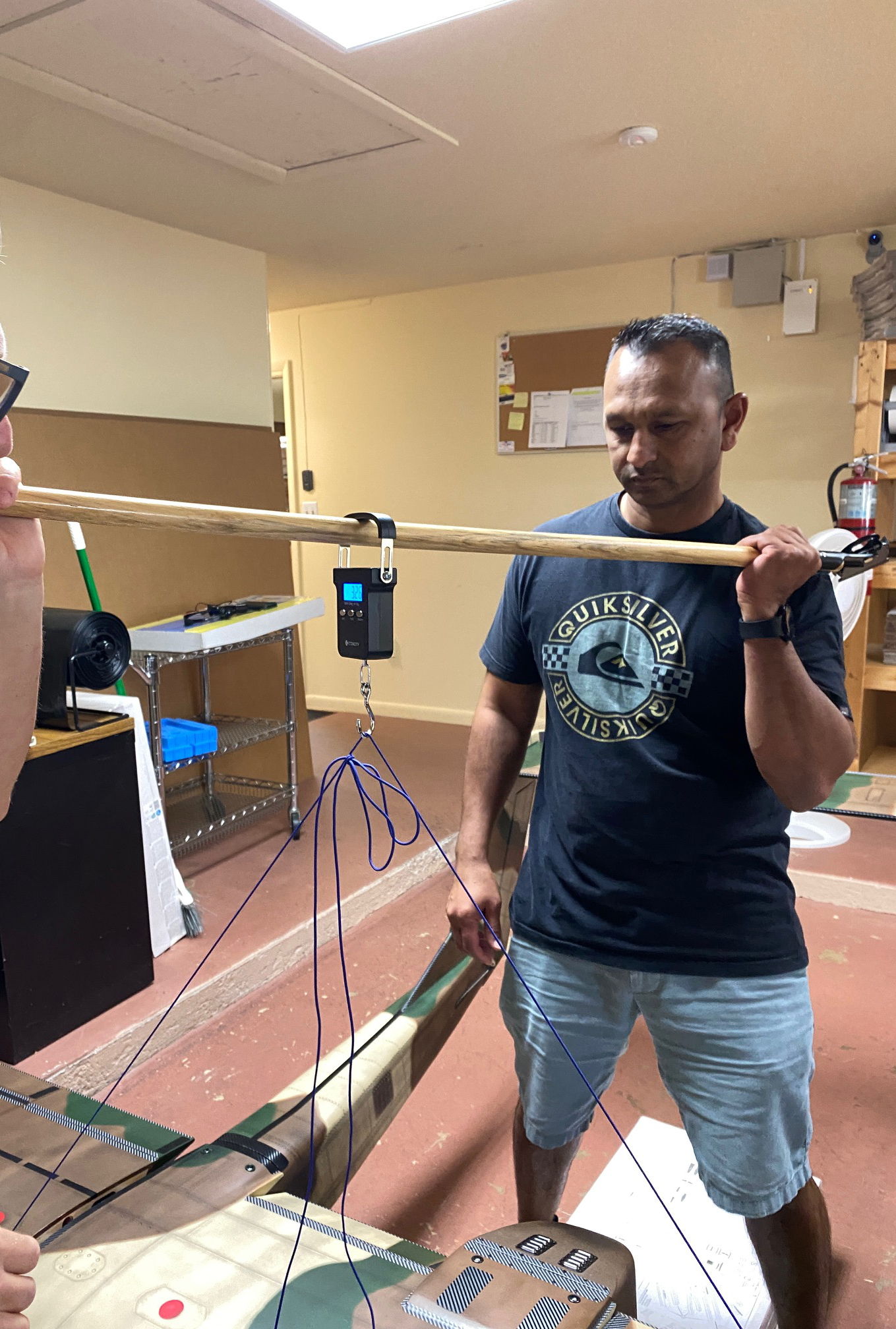
Our OV-10 Bronco build has approached the final stages. It was time to get a final weight – and what a process that was! Take a look. Final weight read 46.86 lbs.!
With So Many Great Options – There is Bound to Be One For You!
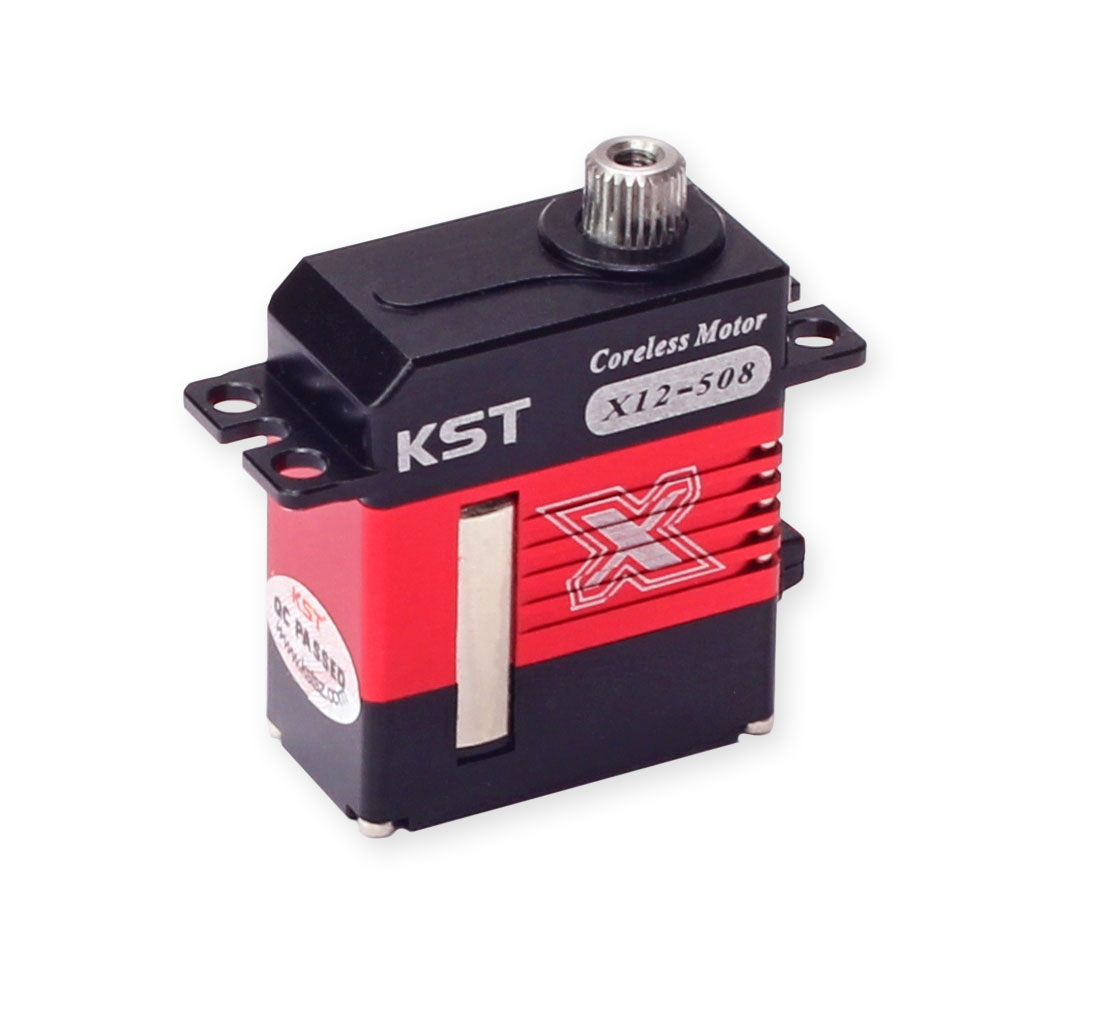
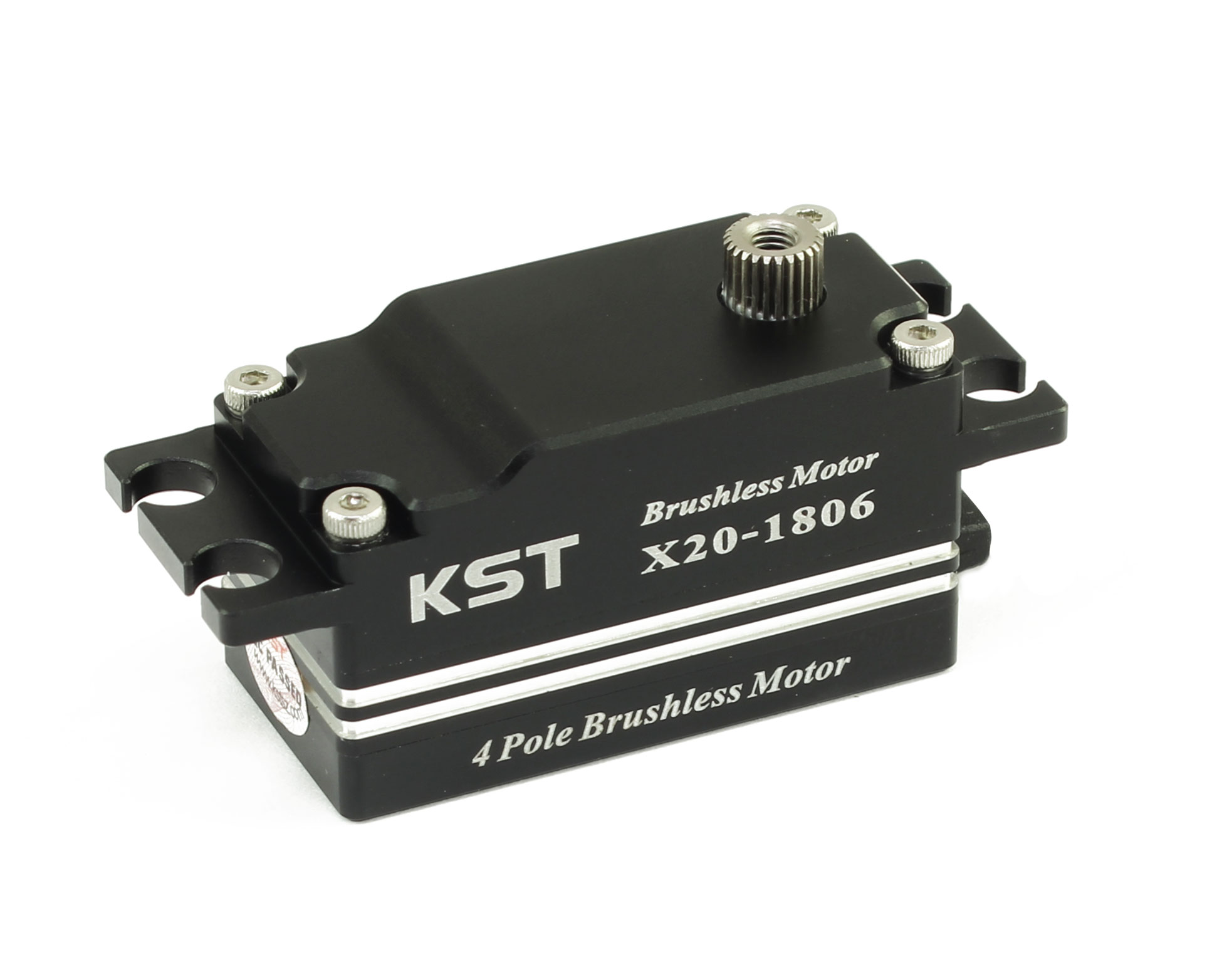
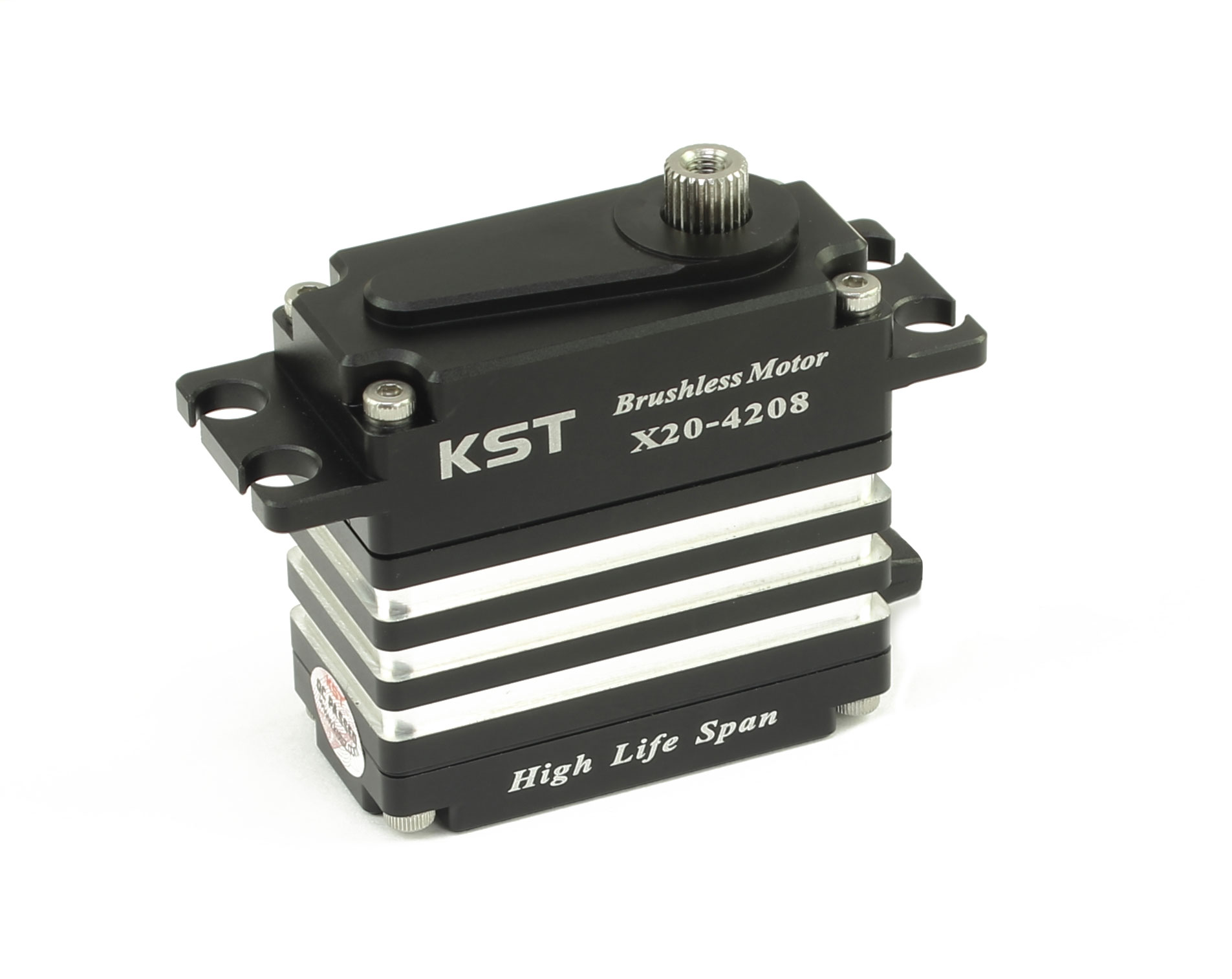
Introducing new servos from KST!
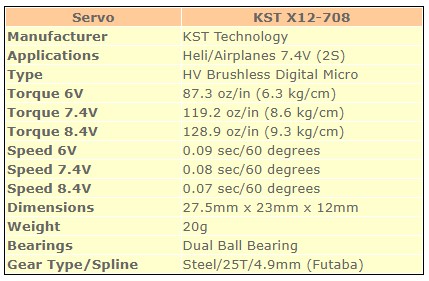
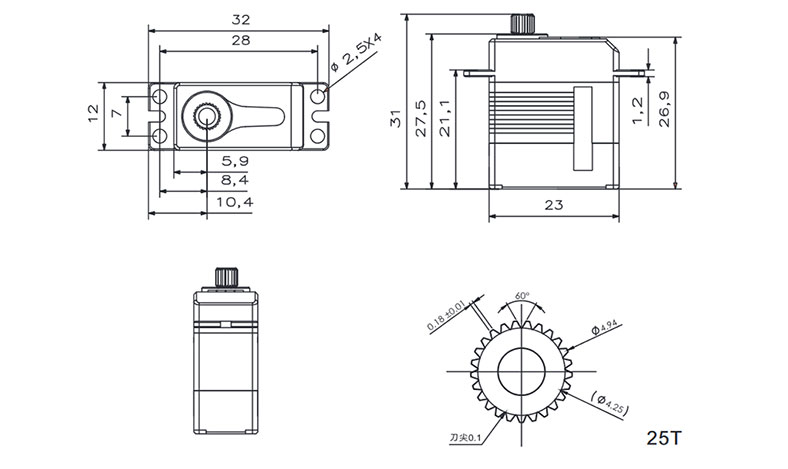
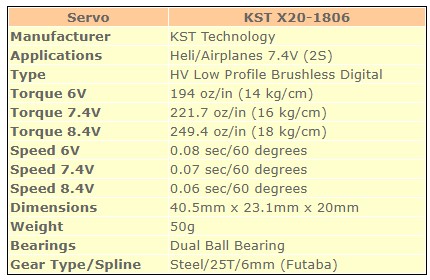
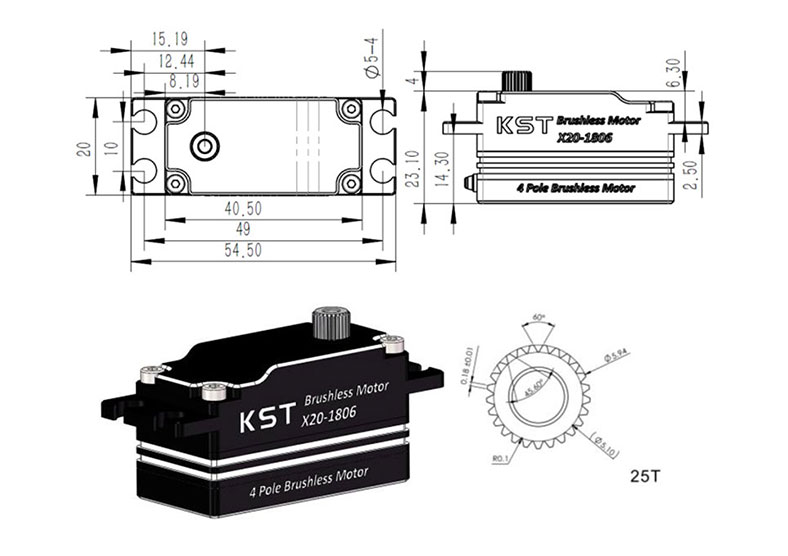
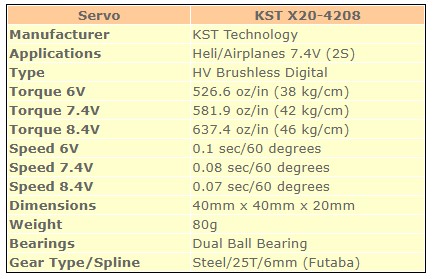
Servos from KST Technology offer ultra-efficient brushless motors, steel gear trains, aluminum case, low current consumption and constant output power. They are the perfect match for almost any high performance or racer pilot. Operational voltage: 4.8V – 8.4V
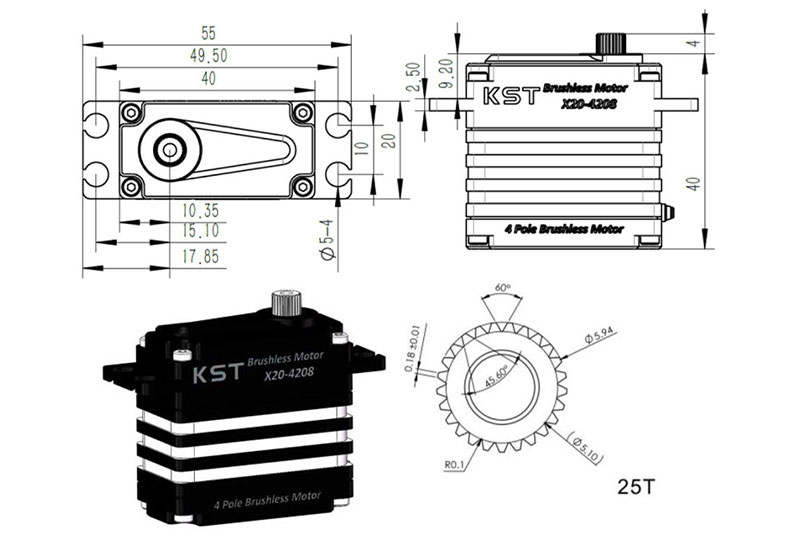
KST Technology servos utilize mini 25 tooth (Futaba) output spline for maximum compatibility with the large variety of aftermarket control horns.
Let’s see what is new! Check out the line of KST Servos HERE.
In the last Flight School blog we learned about how we use “radio control” in radio control flight, but just what are we “controlling”? In this blog we will dive a bit deeper into the common control surfaces of fixed wing aircraft.
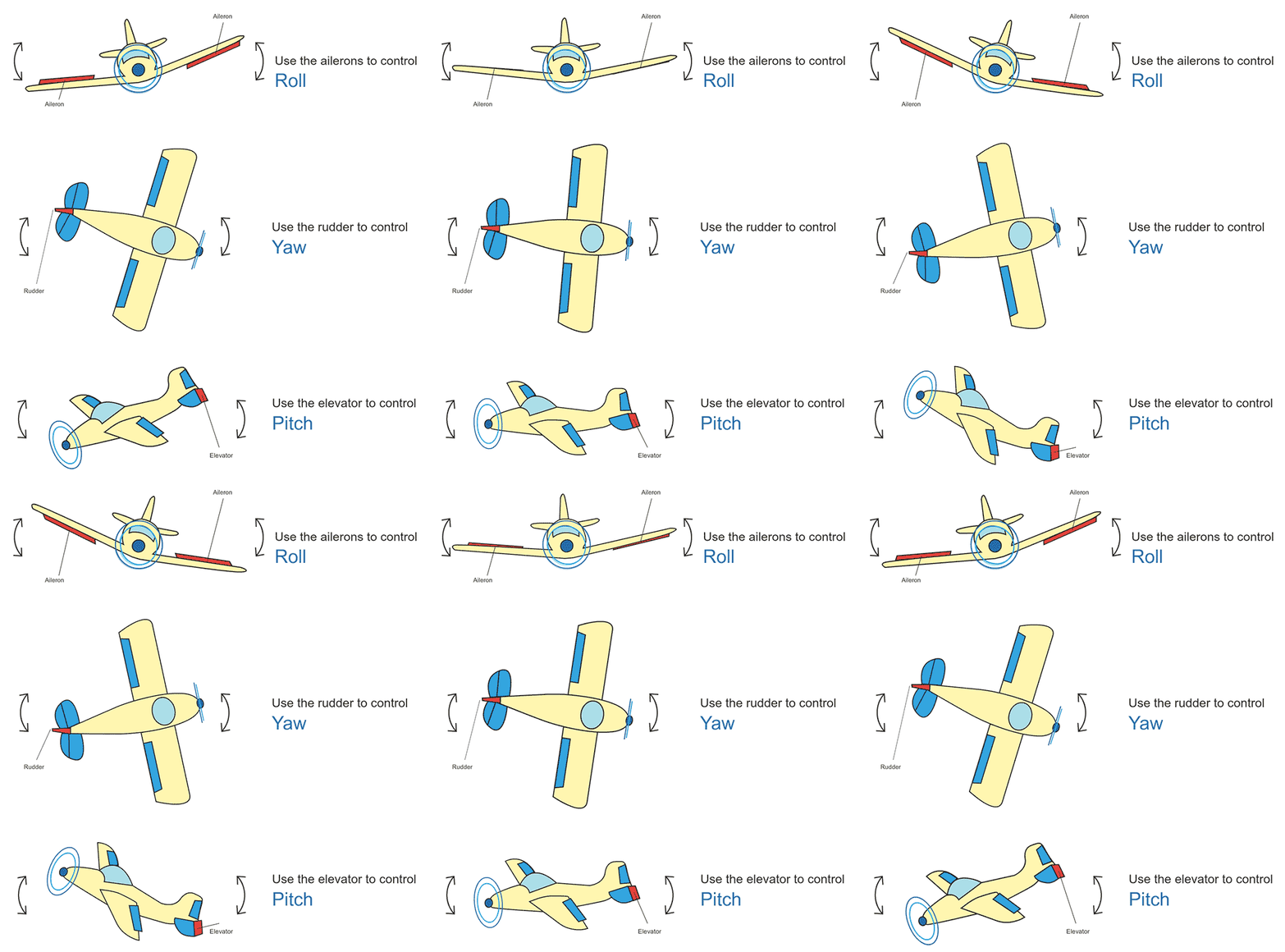
A control surface is a part of an airplanes flying surface (wing or tail), typically hinged, that is moveable1. Movement of the control surfaces cause the airplane to react in a particular manner based on the movement. This movement is known as deflection or throw1. The four common control surfaces are ailerons, flaps, rudder, and elevator.
They main movements of an airplane are Roll, Yaw, and Pitch.
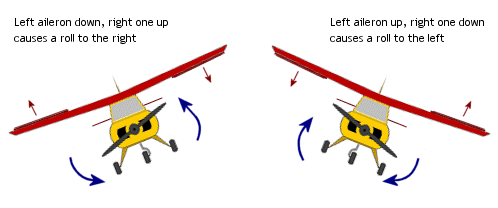
Ailerons are located on the outermost part of the trailing edge on your wings. The ailerons control the roll of your airplane and work opposite of each other. When one aileron goes up, the other goes down, resulting in the airplane the wing loosing lift on one side (the aileron that went up) and gaining lift on the other (the aileron that went down). Not all airplanes have ailerons. Those that do not, will rely more on rudder and the angle of the wing (dihedral) to roll1.
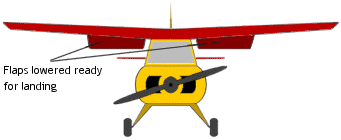
Ailerons are found on the outermost part of the wing, but some airplanes have an additional control surface between the fuselage and the aileron1 called flaps. Flaps are meant to help an airplane get more lift or reduce speed, depending at what time they are engaged and to what extent. Like ailerons, flaps can be found on the trailing edge of the wing, but unlike ailerons they move together. Moving together allows them to function without altering the planes “roll attitude”1 . Attitude is described as the aircraft’s “orientation relative to the horzion”2 . Roll, pitch, and yaw all effect the airplanes attitude. There are different types of flaps that work in slightly different ways. The types include conventional, split, slotted, and fowler3. Split flaps – where the top of the flap doesn’t move but the bottom swings down – are popular with warbird aircraft. You can read more about the different types of flaps here.
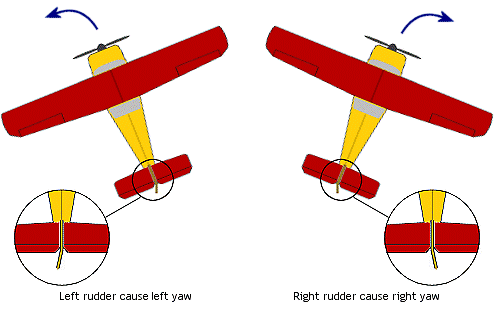
Rudder is the hinged surface on the vertical stabilizer1 . The vertical stabilizer is the part of the tail that “keeps the airplane lined up with its direction of motion”5 . When you move the rudder, you change the yaw of the plane, which “makes the nose of the airplane point to the left or right”1. The use of your rudder is very important control when taxiing, taking off, or landing. When left rudder is engaged, the plane will go to the left – right rudder will direct it the aircraft right.
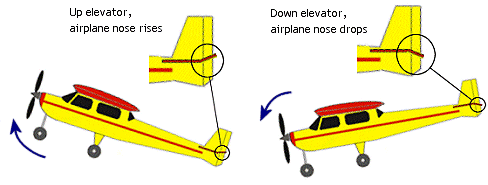
The last control surface that I will be covering are the elevators. One of the most important control surfaces, the elevators are responsible for controlling the pitch of the airplane. Pitch is the up or downward movement of the aircraft. The elevators are located on the horizontal stabilizer – the part of the tail that “keeps the airplane aligned with its direction of motion”5. Elevators move the same direction of the nose, so when the elevators are deflected up, the nose goes up and vice versa. Elevators will also effect the airspeed of the plane based on how and when they are engaged1.
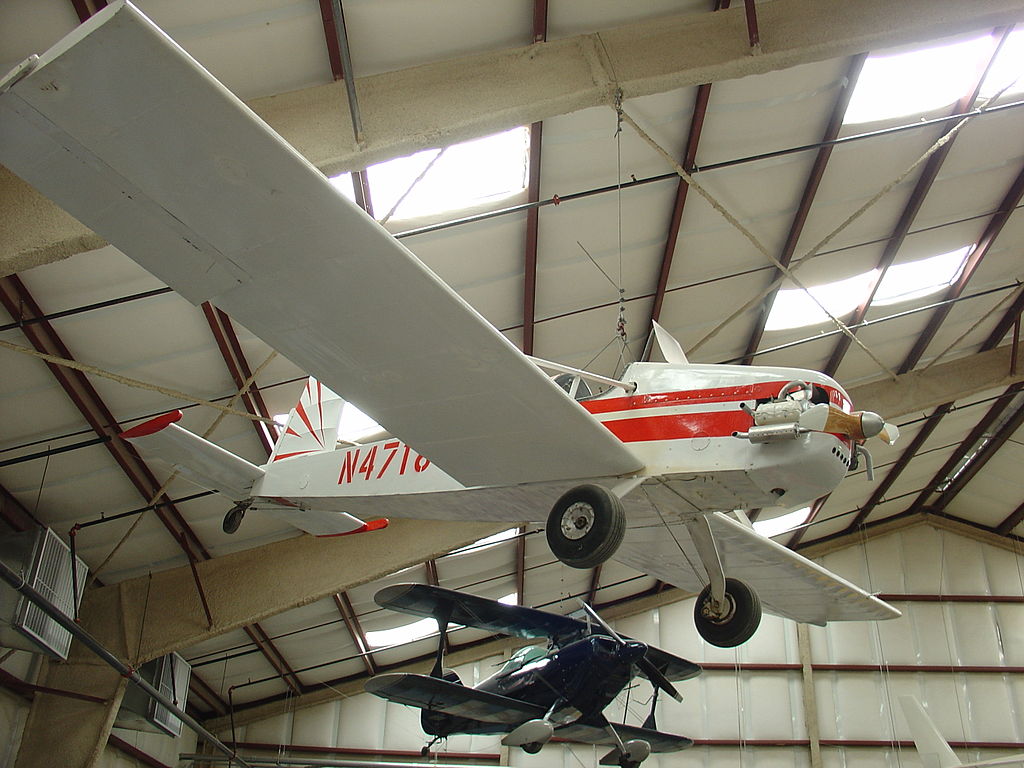
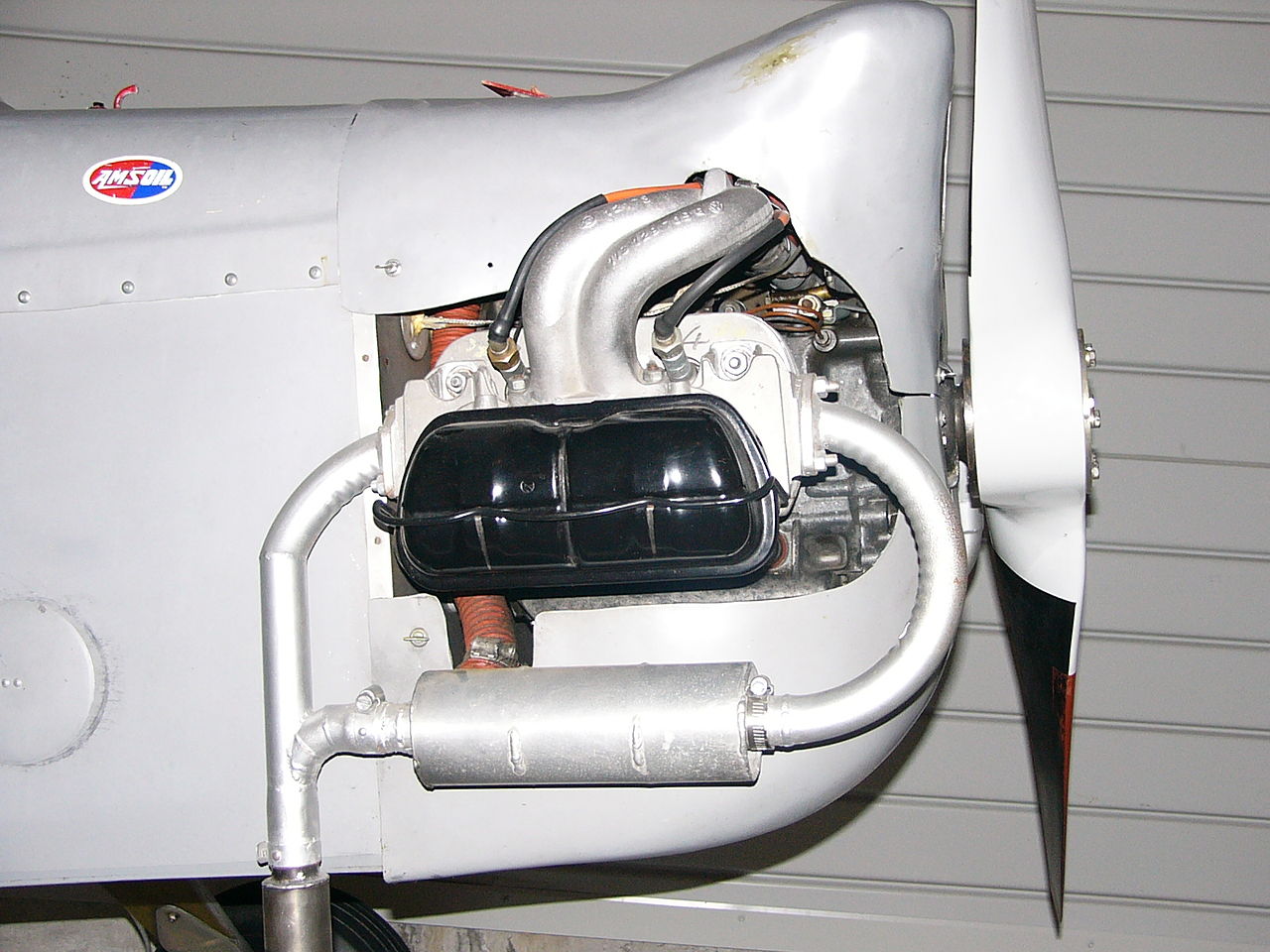
Meet Saul! Saul is building an Aeronaut Volksplane VP-1, a scale version of the Evans VP-1 Volksplane. The Volksplane VP-1 is an aircraft with an interesting history. Designed in 1966, it was meant to be of simple design and construction, yet safe and fun to fly (Bayerl et al. 2011). It was constructed of marine grade plywood, had detachable wings (Tacke et al. 2015), and was powered by a modified VW Beetle automotive engine (Lart, 1974).
The Volksplane was designed with the common pilot in mind. It had more of a DIY feel, and was quite popular amongst home builders. According to the Wikipedia entry, construction was “according to some home builders, almost like building a “giant model aircraft”” (Evans VP-1, 2022).
VP-1 Volksplane VP-1 Volksplane VW Beetle Engine
Saul has decided to build the Aeronaut Volksplane VP-1 scale model for a very special reason – it will be raffled off at Joe Nall 2024, and all the proceeds will go to Triple Tree Aerodrome! If any of you have had a chance to go to Triple Tree, you know just how special of a place it is, and how important it is to the aviation community – RC and full scale. A little birdy has also shared with us that there may be a very special 75% scale project being built along side of this 40% RC model. Keep an eye on our blog for information about that project.
In the meanwhile, head on over to Saul’s YouTube channel (Plane Fun RC) @planefunrc, subscribe, and watch along as he builds this Volksplane VP-1!
Sources:
Wikipedia. “Evans VP-1 Volksplane.” Wikipedia, January 2022, Retrieved from URL https://en.wikipedia.org/wiki/Evans_VP-1_Volksplane (February 2023)
Mooney, Walt. “Pilot report: Volksplane.” Air Progress, March 1970, p. 39.
Lart, Peter. “Westerlies: Volk’s Popular.” Flying magazine, August 1974, p. 82.
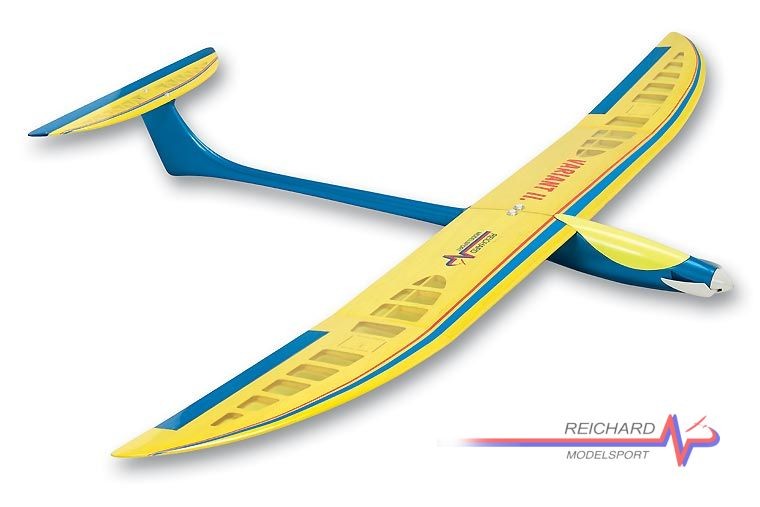
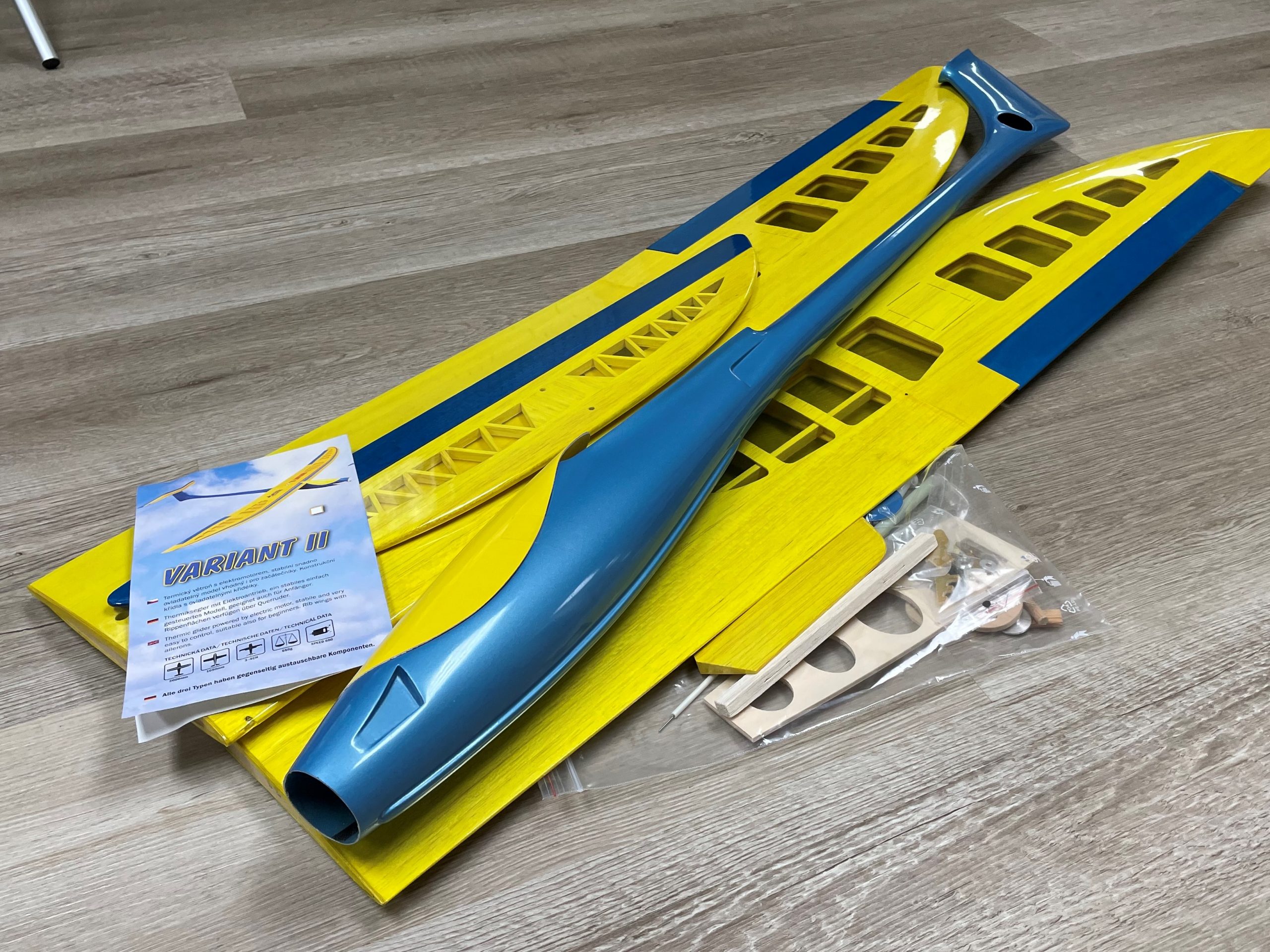
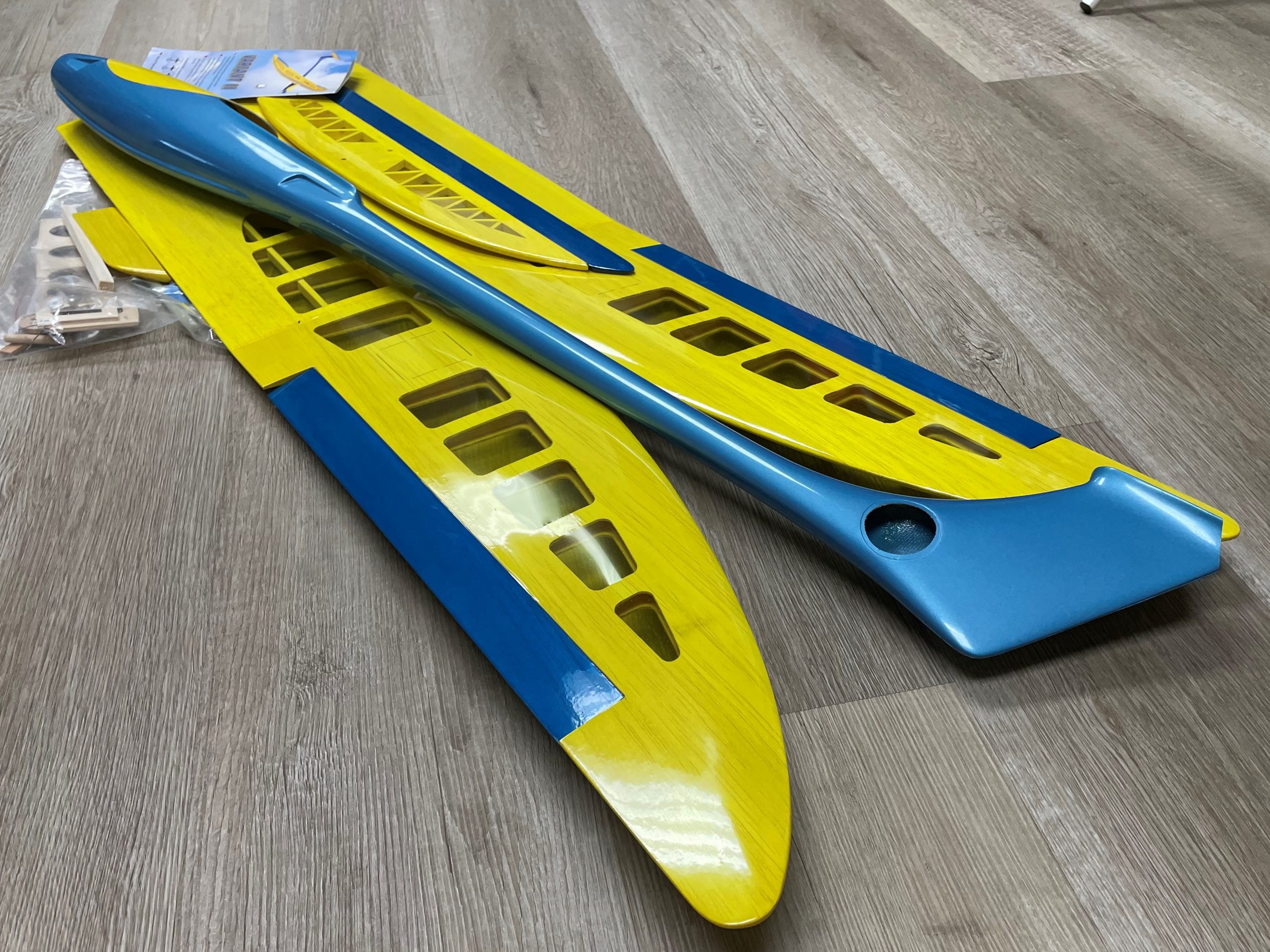
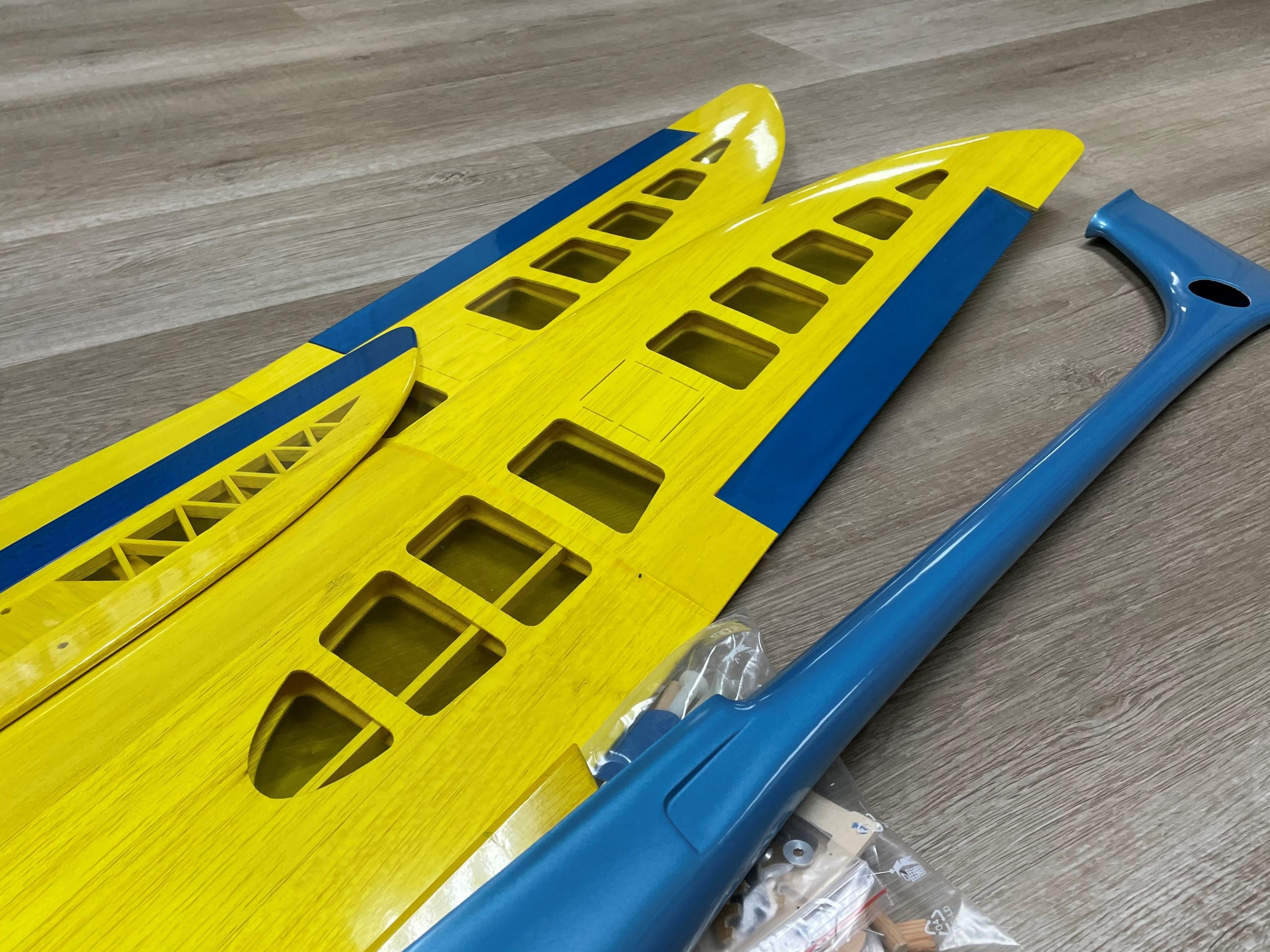
The Still is a great introduction to the world of pylon racers. While it is not quite as intimidating as some of the fully hollow molded racers, it is stable and easy for the intermediate pilot to handle. Using the recommended brushless setup, the Still launches with just a toss and immediately climbs up and away. The airplane is a fast model with plenty of power – and what better to control it with than a Jeti setup!
Read more about our pylon racers here and find your perfect Jeti setup here.








,_The_Netherlands,_03_October_2004.jpg)